How Can Better Store Racks Improve Product Visibility, Space Utilization and Customer Experience?
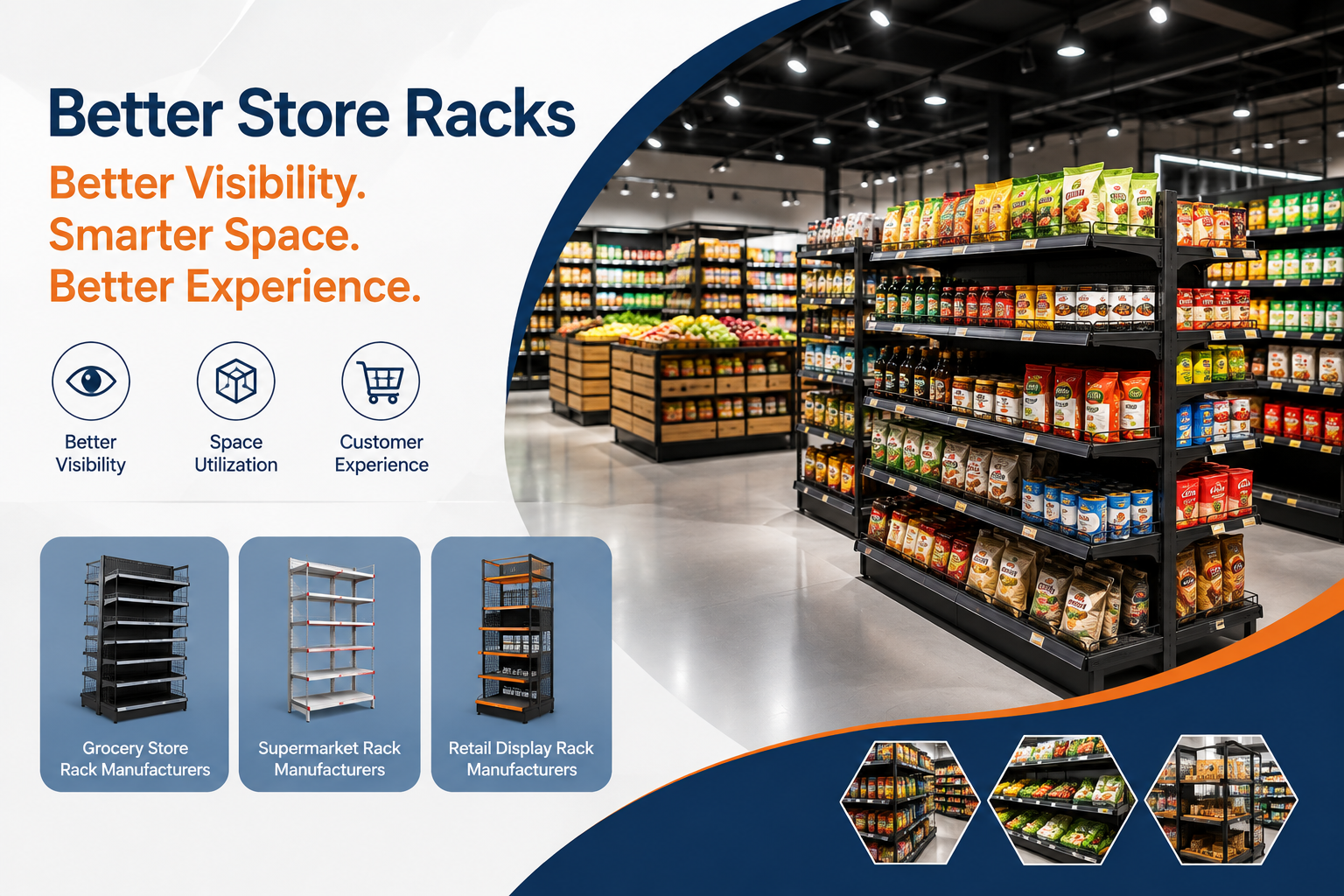
Table of Contents
- Why Store Layout Matters More Than Ever
- What Should a Grocery Store Consider Before Selecting Racks?
- How Supermarkets Can Make Better Use of Vertical Space
- Product Visibility Can Influence Buying Decisions
- The Difference Between Storage and Display
- How Rack Design Can Improve Inventory Management
- Creating a Better Shopping Experience
- Choosing Display Racks for Modern Retail Stores
- Common Mistakes Retailers Should Avoid
- Planning for Future Retail Growth
- Conclusion
Here's something a lot of retailers learn the hard way: you can have the best products at the best prices, and people will still walk out empty-handed if they can't find what they came in for.
Layout, aisle flow, how easy the shelves are to reach - all of it adds up to whether a shopping trip feels smooth or annoying. That's really why storage and display setups have started getting so much more attention in retail planning lately.
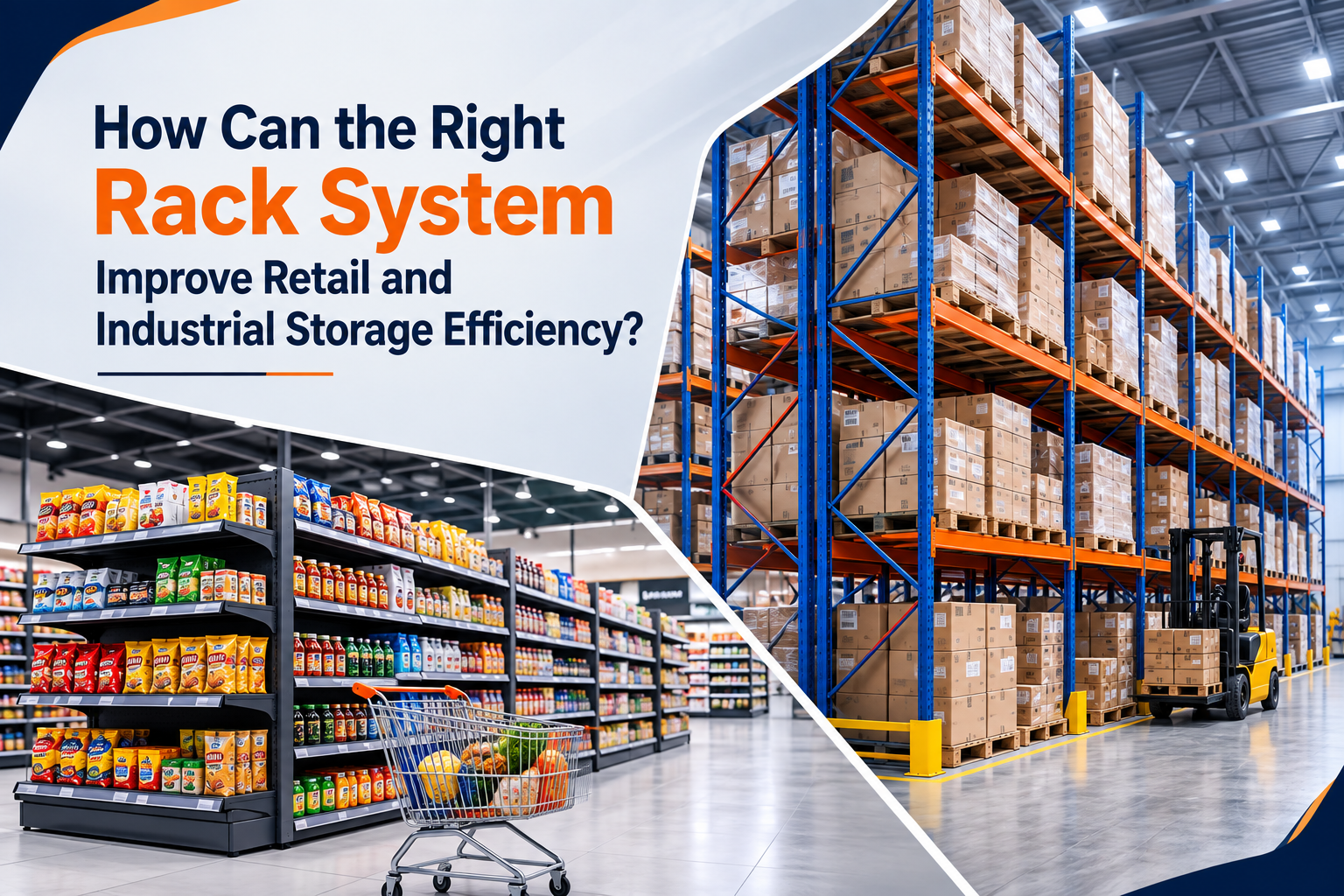
Racks, especially in grocery stores and supermarkets, aren't just something to pile boxes on. They quietly steer the whole shopping journey - where categories sit, how much of the floor gets used well, whether products are actually within arm's reach. Get the rack system right and staff spend less time hunting for stock too. Shoppers notice the difference, even if they couldn't tell you exactly why the store "feels" easier to shop in.
Plannco Steel Products Pvt. Ltd. works on exactly this problem - building storage and display solutions around what retailers actually need day to day, not just what looks good in a catalog.
Why Store Layout Matters More Than Ever
Shoppers these days don't have a lot of patience, honestly. Walk in, figure out where things are, grab it, leave. That's the expectation now.
A store that hasn't been thought through shows it fast. Products end up in odd places, aisles start feeling tight, and there's floor space just sitting there doing nothing useful. Compare that to a store where someone clearly sat down and planned things out - it's easier to move through, and somehow fits more product in without feeling stuffed.
A lot of that comes down to the racks themselves. Height, width, depth, how far apart they're spaced - all of it needs to line up with both the products going on them and the space you've actually got to work with.
What Should a Grocery Store Consider Before Selecting Racks?
Think about how many different products a typical grocery store carries - could be a few hundred, could be a few thousand. Different sizes, different packaging, different rates of selling out. So a rack system can't just look nice sitting there. It has to actually work.
Before picking anything, it's worth going through the basics: how heavy are the products, how deep do the shelves need to be, how wide are the aisles, what's the ceiling height, how much inventory is expected, and how often does stock need replenishing.
Products that fly off the shelves should sit somewhere customers don't have to think twice about reaching. Bulkier items usually need tougher shelving with more room above them. Smaller packaged goods, on the other hand, often do better with shelves that can be adjusted as needed.
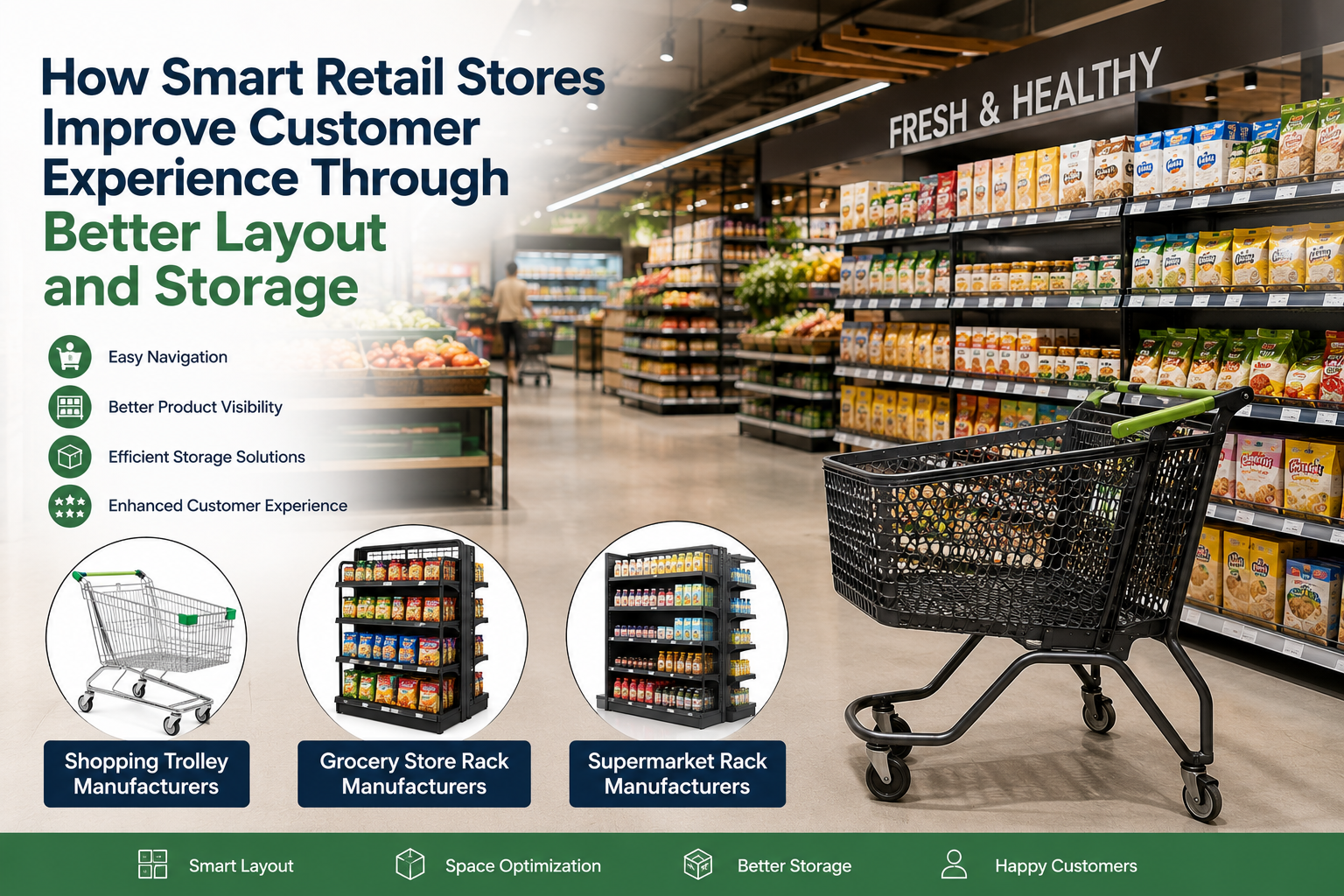
This is exactly the kind of thing experienced Grocery Store Rack Manufacturers are good at - working out layouts that don't force a choice between storage capacity and easy access.
How Supermarkets Can Make Better Use of Vertical Space
Floor space is expensive, in every sense of the word. Just adding more racks across the floor eats into aisle room fast, and before long the store feels cramped instead of open. Going up, rather than out, tends to work a lot better.
Taller racks mean more product without needing more floor. But height has to be handled carefully - customers still need to reach what they're buying, and staff need to be able to work safely around it. Stuff people grab all the time should stay low and easy. Slower-moving or backup stock can live higher up, out of the way.
It's not really about squeezing every last inch full of product. It's about finding a balance - enough capacity, enough room to see things clearly, enough space to move, and nothing that compromises safety.
Product Visibility Can Influence Buying Decisions
Racks do double duty as a merchandising tool, whether people realize it or not. Products arranged clearly just get noticed more.
Grouping similar items together helps shoppers make sense of a category at a glance. Promotional products, meanwhile, do best when they're given a spot that actually stands out. And leaving a little breathing room between products makes a real difference - packed-tight shelves start to look messy fast, even when they're technically organized.
Eye level matters more than people think, too. A great product placed too low or too high just doesn't get the same attention as one sitting right where a shopper naturally looks.
That's where Supermarket Rack Manufacturers earn their keep - building systems that make smart product presentation possible without wasting the space available.
The Difference Between Storage and Display
Storage and display both lean on racks, sure, but they're not solving the same problem.
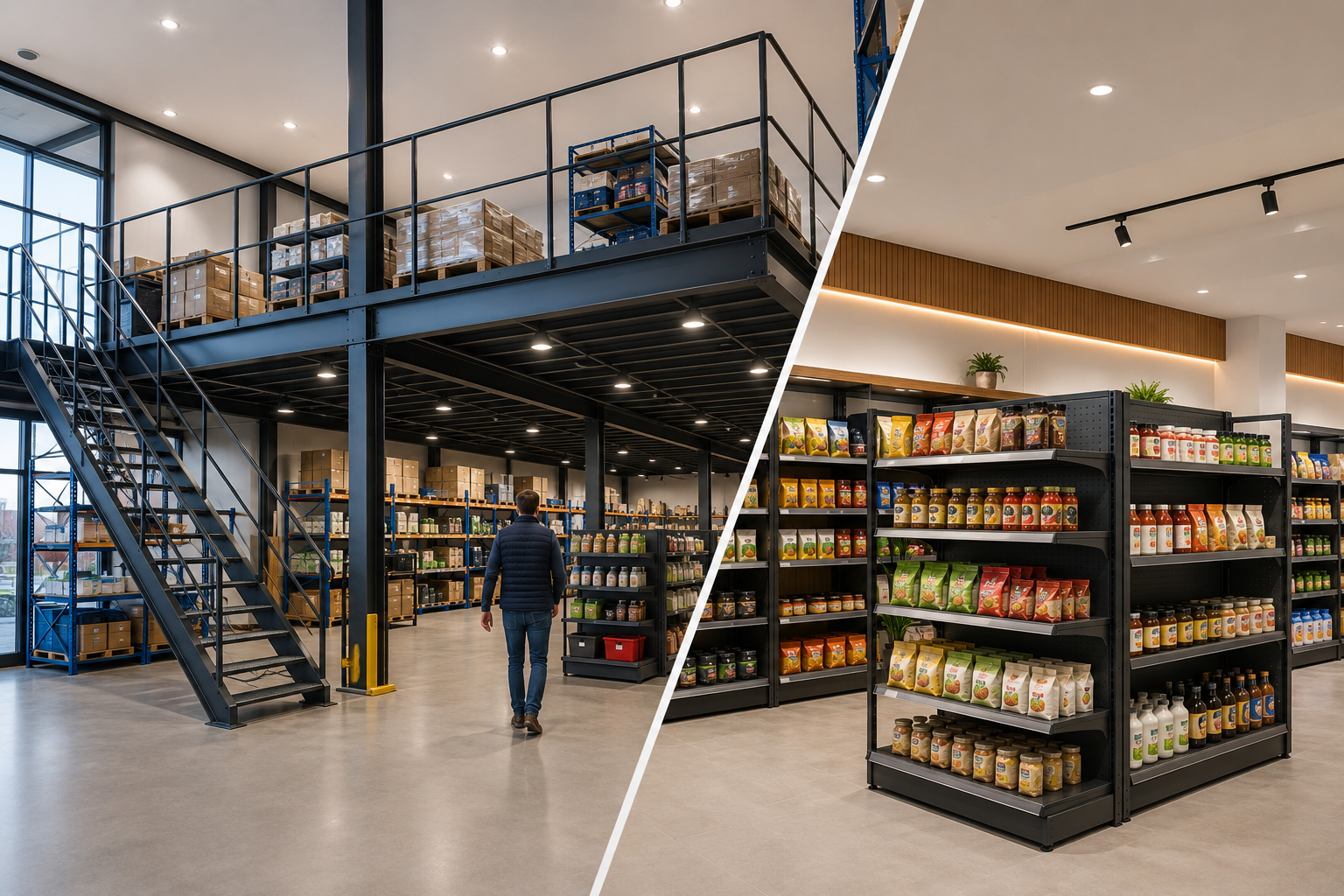
Storage is about capacity - keeping things organized, accessible, under control. Display is more about what customers see and how that shapes what they buy.
Most retail spaces that work well have figured out how to do both properly.
In the backroom, staff need to find and restock things fast, without tripping over anything or getting in a customer's way. Out on the sales floor, racks need to look good and still leave enough room for people to actually walk through comfortably.
Keeping these two jobs separate when planning saves a lot of headaches down the line - overcrowded shelves, blocked aisles, restocking that takes twice as long as it should.
How Rack Design Can Improve Inventory Management
When every product has a clear, designated spot, restocking gets a lot faster. Staff can tell what's missing almost at a glance instead of hunting around.
Adjustable shelving really shows its value when product sizes shift - maybe there's more bulky packaging in one season, smaller items the next. Being able to reconfigure without replacing the whole rack saves time and money.
Good labeling paired with sensible placement cuts down search time even further.
Bigger stores also need to think about stock rotation - products closer to their expiry date should be the easiest to reach, not buried behind newer stock. It's a small thing, but it matters.
Creating a Better Shopping Experience
People notice more than just the products on the shelf. They notice whether the aisles are easy to walk through, whether things look tidy, whether they can grab what they want without straining or squeezing past someone.
A store that's genuinely well laid out just feels faster to shop in, less stressful. When things are displayed properly and categories make sense, comparing products takes half the effort.
That matters even more now, with online shopping being as convenient as it is. Physical stores need to offer that same ease of finding things - while still giving people a reason to actually enjoy walking through the door.
Choosing Display Racks for Modern Retail Stores
A good display rack has to do two things at once: look right for the store, and hold up under actual use. Neither one can really be an afterthought.
Before buying, it's worth weighing shelf capacity, how adjustable the system is, the material quality, the finish, and how much upkeep it's going to need over time.
The setup also needs enough flexibility to change - seasonal promotions, new arrivals, shifting customer habits all mean the layout that works today might need tweaking in six months.
Retail Display Rack Manufacturers with real experience can help retailers land on the right system based on their product mix, their space, and what they're actually trying to merchandise.
Common Mistakes Retailers Should Avoid
One mistake shows up constantly: chasing maximum storage capacity above everything else. Cram every corner full of product and the store just gets harder to move through - customers feel it immediately.
Another one is using the same rack setup for every single product category, when different products genuinely need different shelf heights and depths.
It's also easy to forget about the future. A layout that works fine right now can start feeling tight the moment the product range grows even a little.
And safety just can't be an afterthought - rack stability, load limits, clear aisles, proper installation. Cutting corners there isn't worth it.
Planning for Future Retail Growth
Retail doesn't sit still. New product lines show up, seasonal campaigns come and go, inventories grow, and what customers expect keeps shifting. All of that puts pressure on a layout that seemed perfectly fine a year ago.
A flexible rack system means retailers can adapt without tearing the whole store apart and starting over. Adjustable shelves and modular setups make those changes a lot less painful, and a lot cheaper.
At the end of the day, the best retail infrastructure isn't necessarily the one that crams in the most product. It's the one that keeps things running smoothly right now, while still leaving room to grow into whatever comes next.
Conclusion
Good rack planning ends up touching a lot more than just how much stuff fits on a shelf. Done well, it improves how visible products are, makes inventory easier to manage, helps staff work faster, makes better use of floor space, and just makes shopping feel better overall.
For grocery stores, supermarkets, and retail outlets of every size, getting the storage-and-display mix right can turn an average floor plan into something far more efficient. Keep product characteristics, customer movement, restocking needs, safety, and future growth in mind, and the infrastructure decisions tend to take care of themselves - along with a lot more value out of every square foot of space.
-
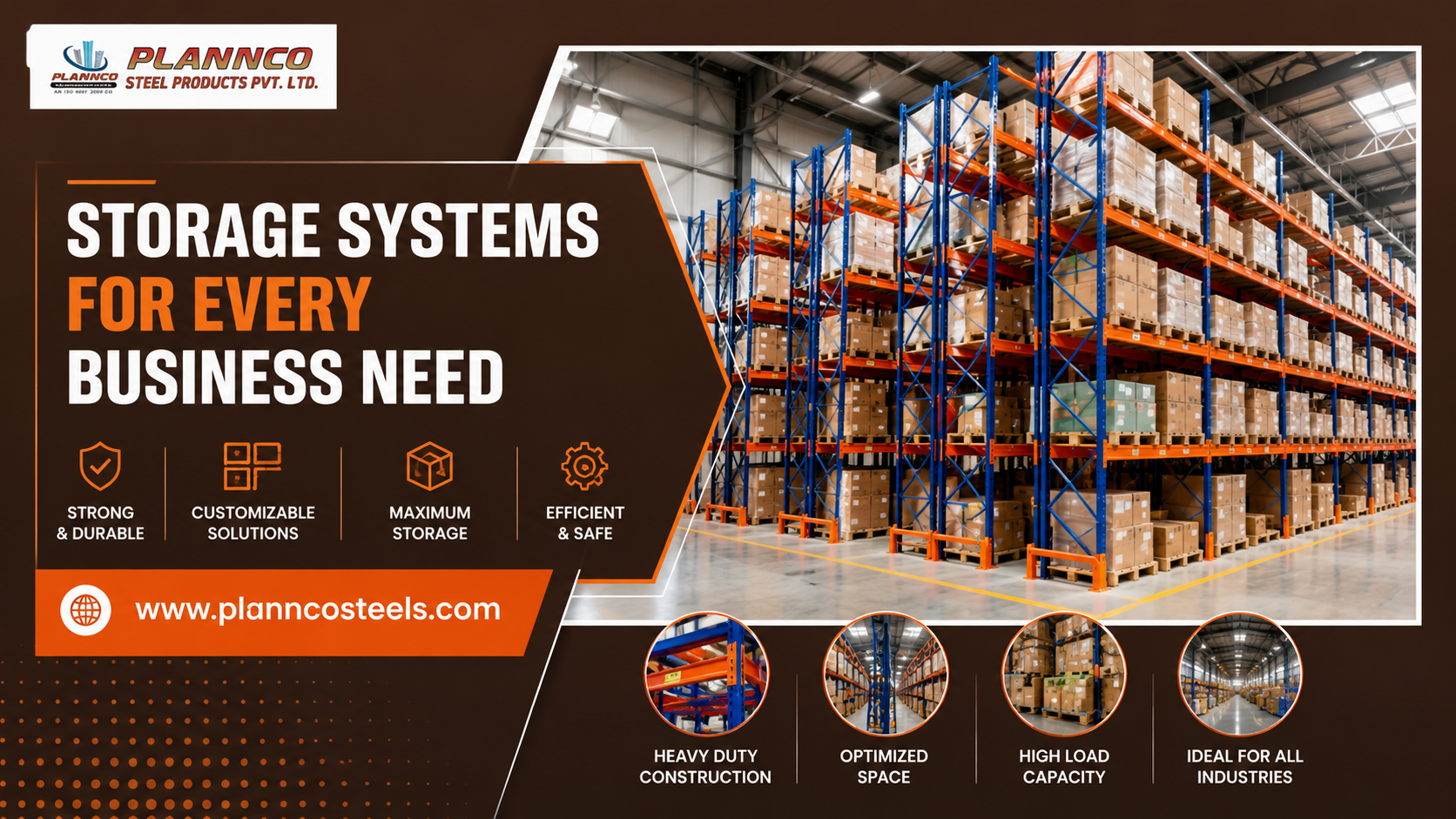 Storage Systems for Every Business Need
08-April-2025
-
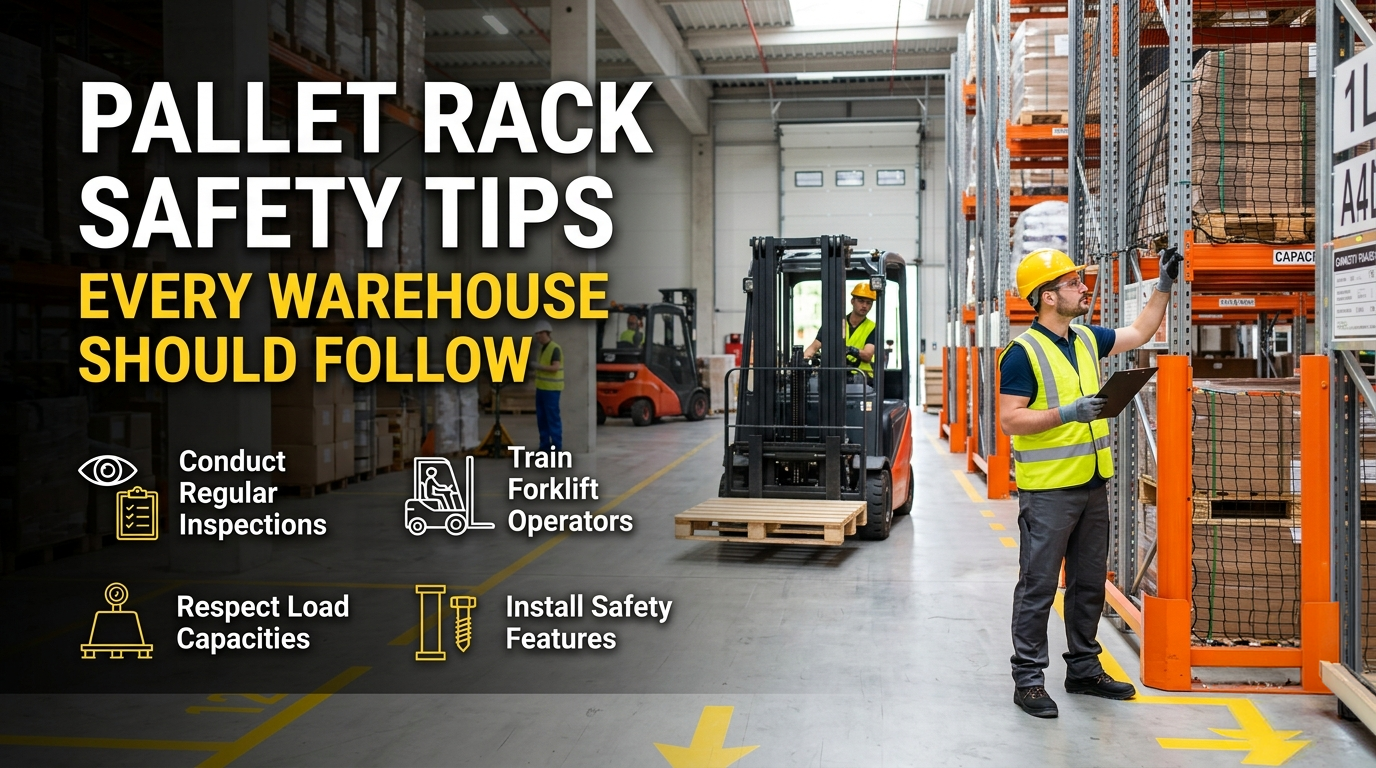 Pallet Rack Safety Tips Every Warehouse Should Follow
08-April-2025