Your Warehouse Isn't Out of Space. You're Just Not Using It Properly
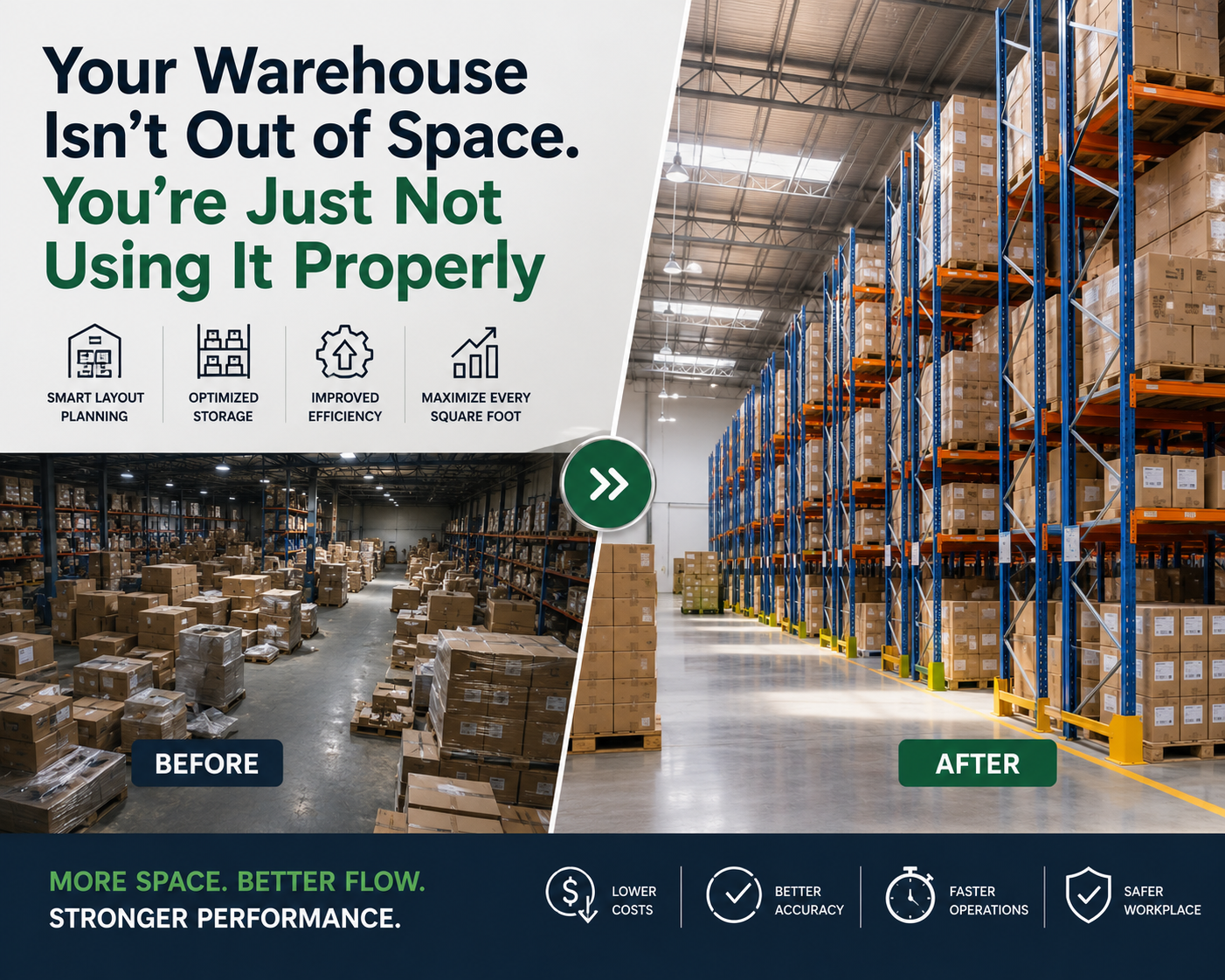
Table of Contents
- The Real Cost of Bad Racking
- Wood Pallets Are Quietly Costing You Money
- The Second Floor You Didn't Know You Had
- Choosing a Partner, Not Just a Supplier
- Before You Plan Your Next Expansion
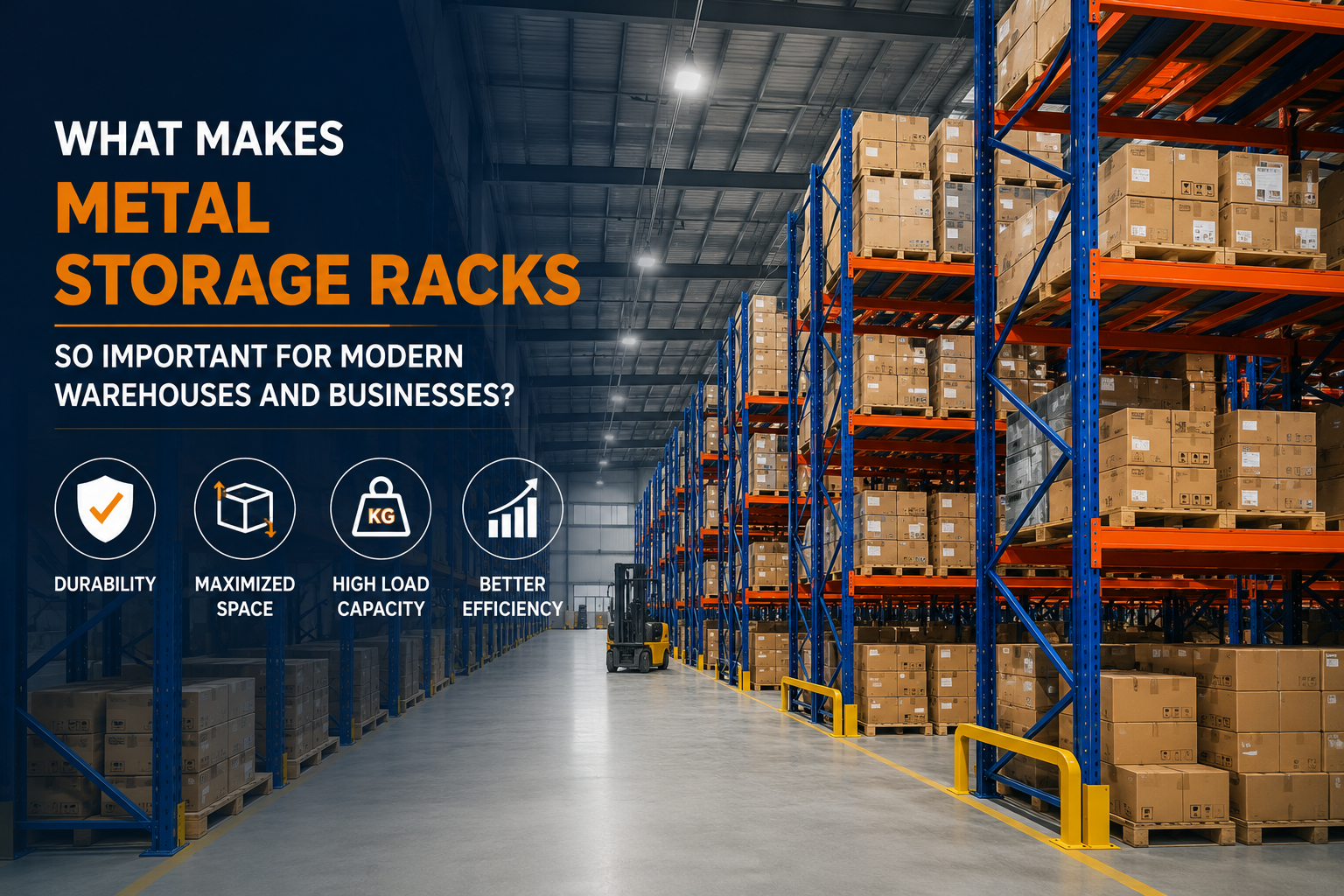
Walk into ten warehouses and nine of them will have the same problem. Stock piled on the floor because there's nowhere else to put it. Aisles too narrow for a forklift to turn comfortably. Boxes stacked crooked, leaning, sometimes falling. And above all that mess ten, fifteen, twenty feet of completely empty air that nobody's using.
That's the part people miss. Most warehouses aren't actually short on space. They're short on a plan for the space they already have.
Rent for industrial sheds in places like Bhiwandi, Bawal, or the Delhi-NCR belt hasn't exactly gotten cheaper the last couple of years. So paying for square footage and then leaving half of it empty vertically doesn't make much sense financially. Fixing this isn't about building a new facility. It usually comes down to three things how your racks are set up, what your pallets are made of, and whether you've bothered to build a second floor inside the shed you're already renting.
Let's go through each one properly, without the usual sales pitch.
The Real Cost of Bad Racking
A lot of business owners think of racking as a one-time expense, something you install once and forget about. That's a mistake. Bad racking design causes problems for years bent frames from overloading, unstable stacks that topple during picking, forklift drivers going slow because the aisles are badly planned. All of that adds up to lost hours and, occasionally, damaged stock or worse, an injury.
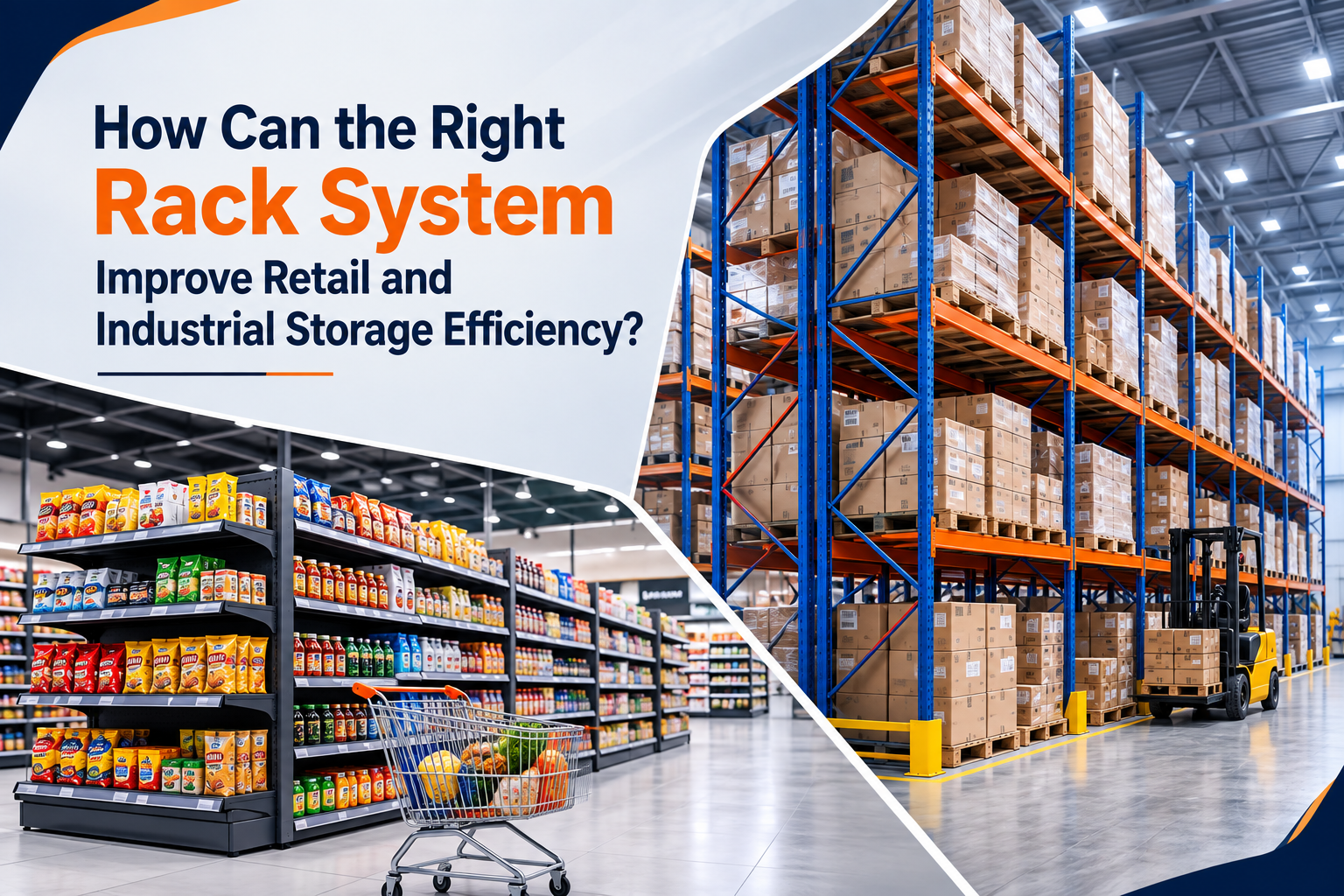
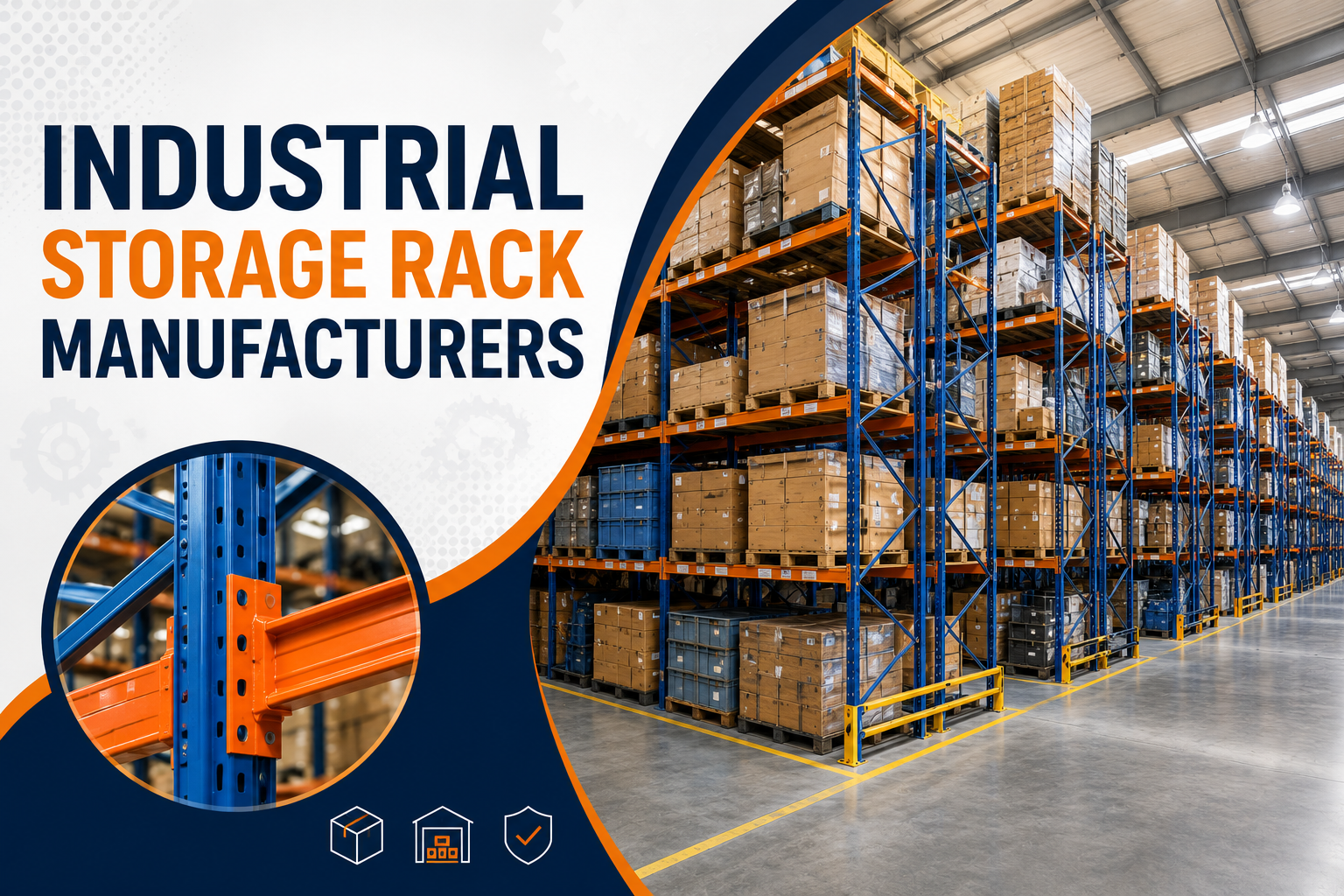
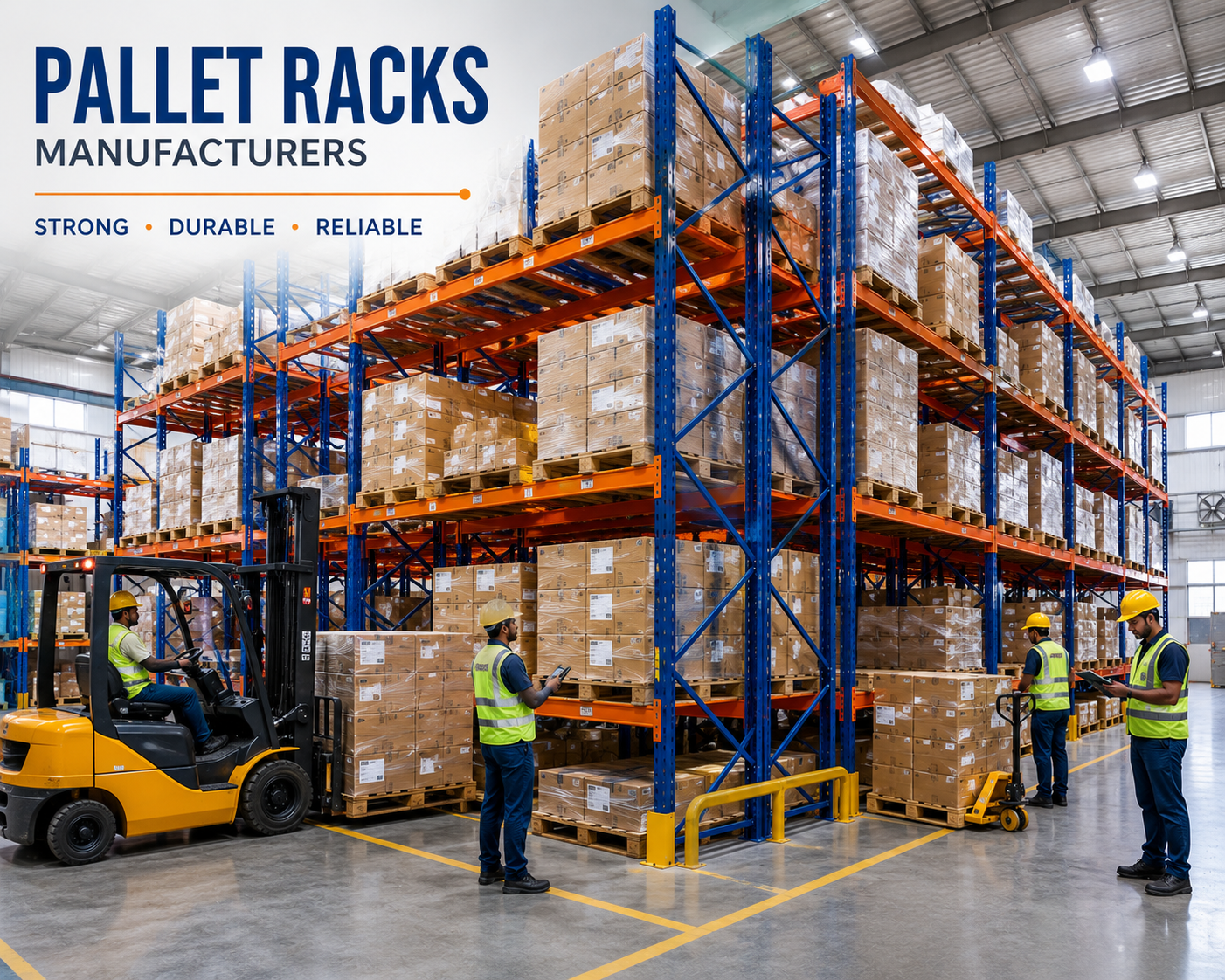
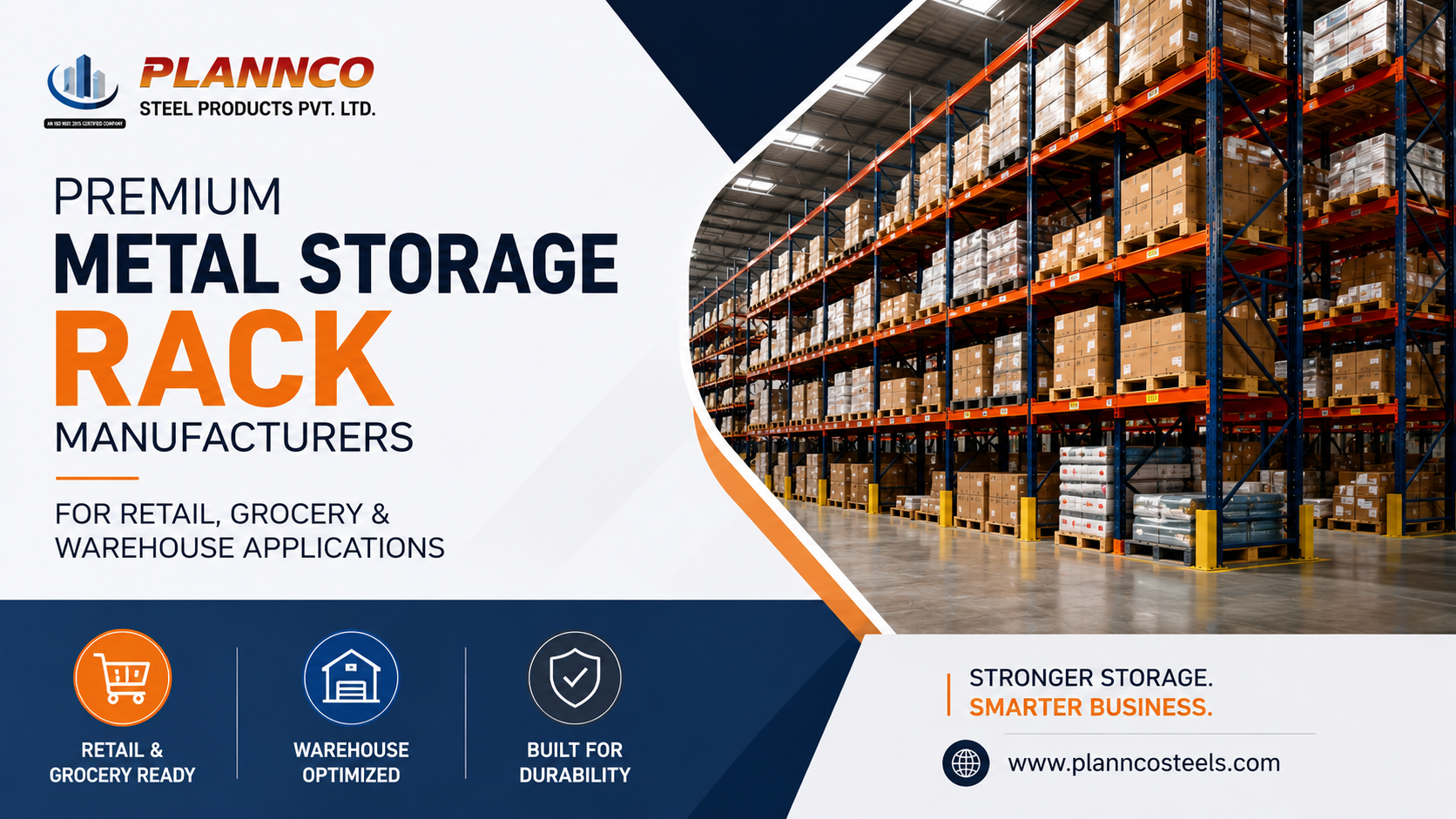
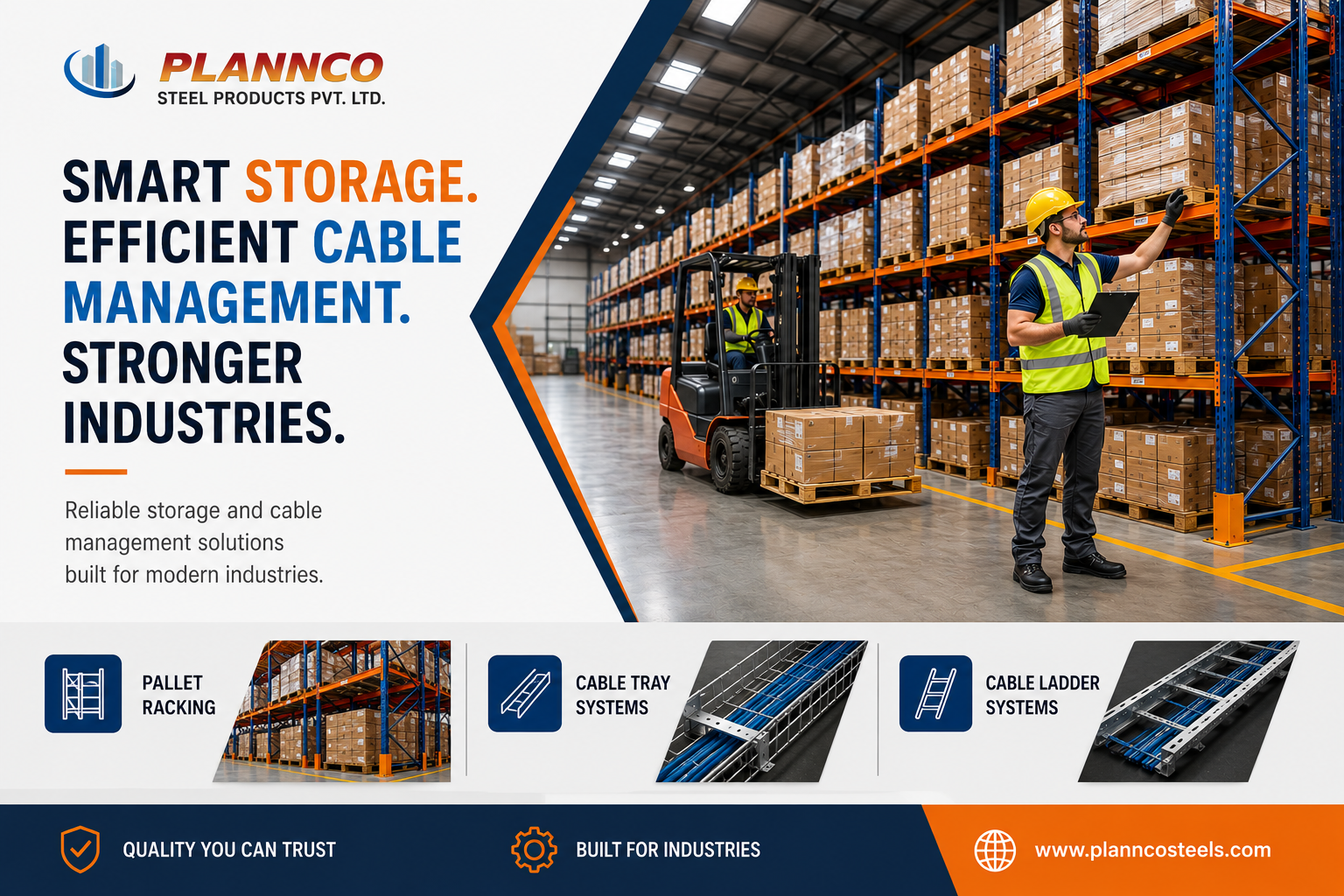
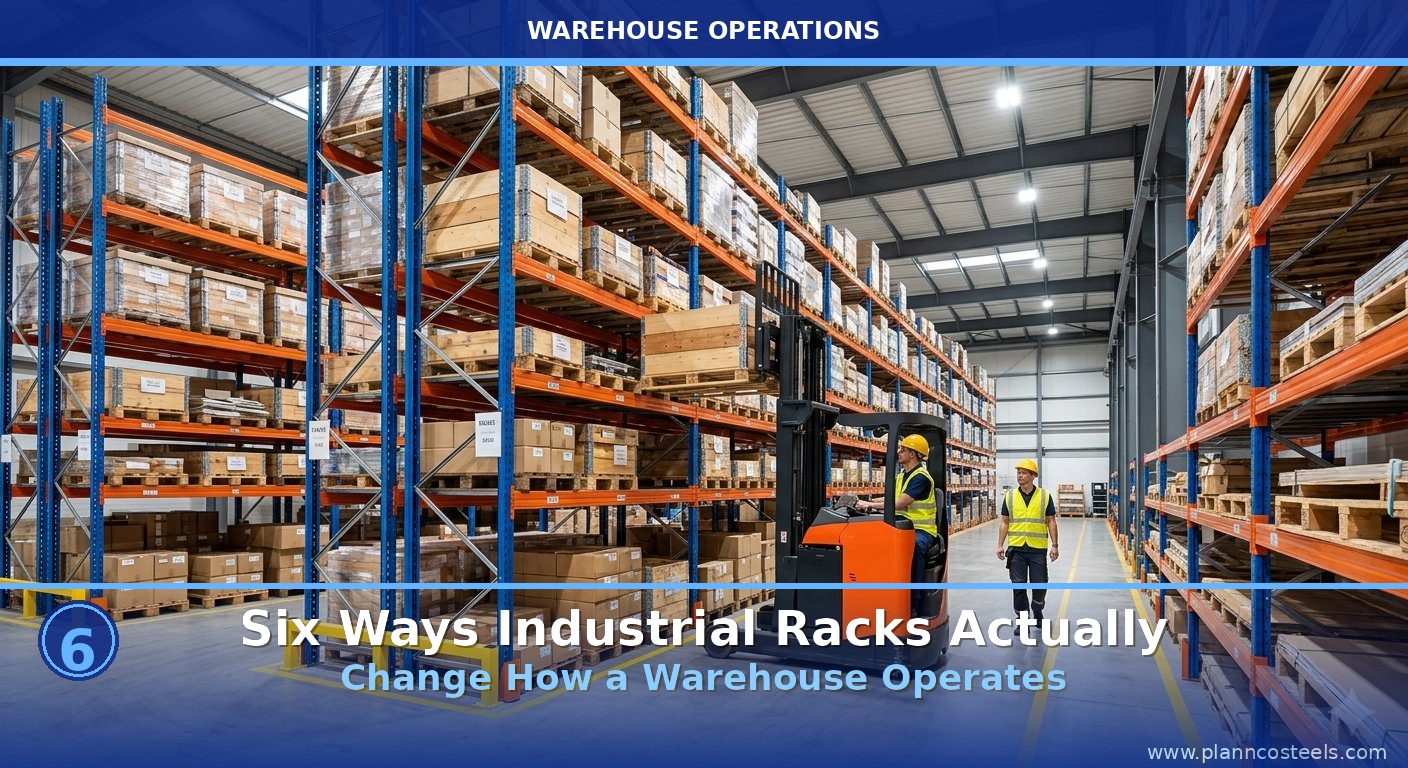
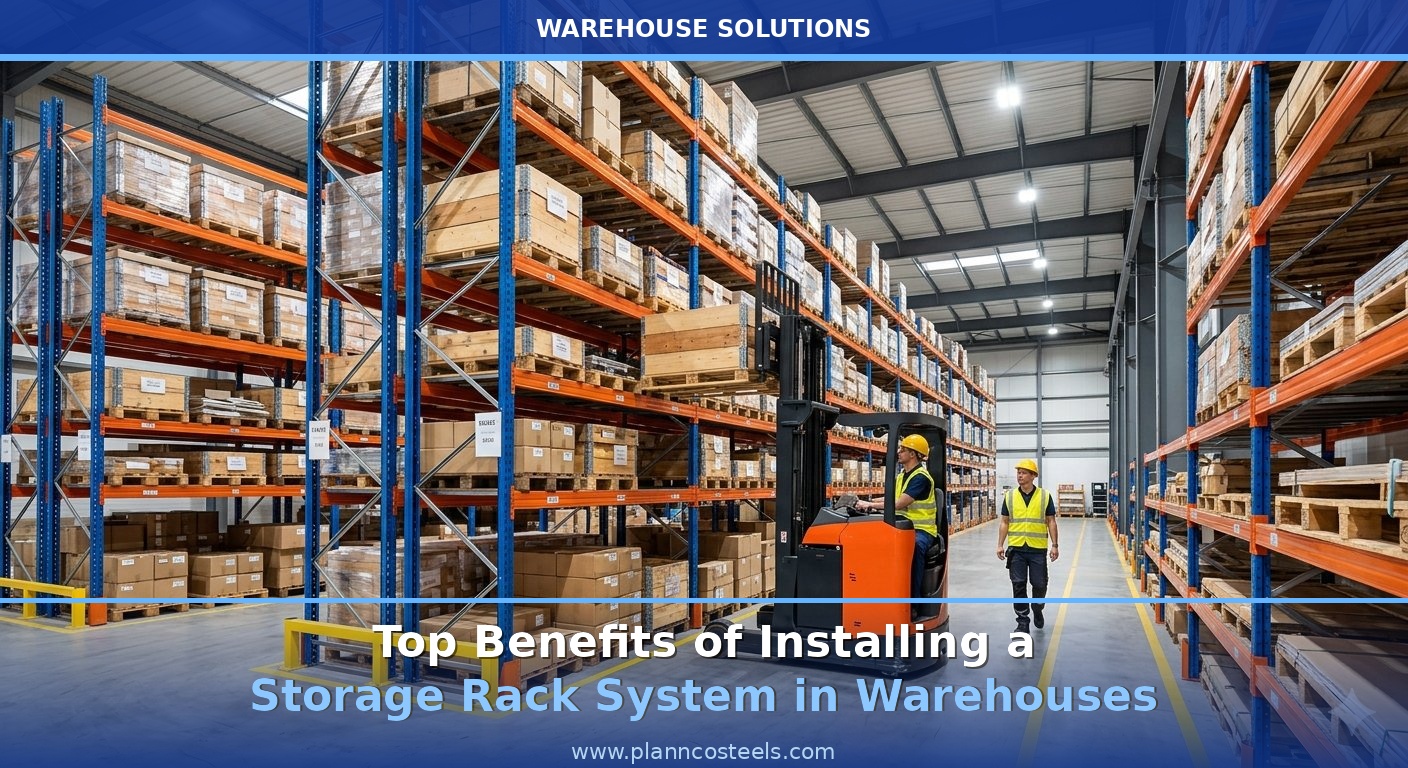
Good racking does the opposite. It roughly doubles what you can store in the same footprint, and it makes picking faster because everything has a defined place. This is honestly where choosing the right Pallet Rack Manufacturers matters more than people expect. A decent manufacturer won't just quote you a price per rack they'll actually ask about your product sizes, how often you're picking orders, your ceiling height, and how your forklifts move through the floor before suggesting anything.
Selective racking tends to suit businesses with lots of different SKUs. Drive-in racking works better when you're storing bulk quantities of fewer items. Pallet flow systems are more common in food or pharma setups where stock rotation (first in, first out) actually matters for compliance reasons. There isn't one "best" racking type there's a type that's best for your specific stock and how fast it moves.
One thing worth checking before you sign off on any order ask for load test certificates. Not every supplier gives them, and you don't want to find out your racks were under-rated after they're already loaded with three months of inventory.
Wood Pallets Are Quietly Costing You Money
Here's something most people don't calculate properly. Wooden pallets look cheap on paper. ₹300-400 a piece feels like nothing. But wood absorbs moisture, splinters over time, occasionally carries pests, and needs replacing every year or two depending on how rough your handling is. If you're exporting, wooden pallets also need fumigation treatment (ISPM-15) before they clear customs in most countries, which is another cost and another delay nobody talks about upfront.
This is why a growing number of manufacturing and export-facing businesses have started switching to steel. Working with established MS Pallets Manufacturers solves a lot of this in one move. Mild steel pallets don't warp under heavy loads the way wood does, they're not going anywhere near termites or fungal damage, and they meet export standards without the fumigation paperwork. A decent steel pallet will genuinely outlast three or four sets of wooden ones.
Yes, the upfront cost is higher sometimes double or triple. But run the numbers over five years, factoring in replacements, damaged goods, and compliance costs, and steel usually comes out cheaper per cycle. It's one of those decisions that looks expensive in month one and looks smart by year three.
The Second Floor You Didn't Know You Had
This is the part almost nobody thinks about until someone points it out. If your warehouse has a decent ceiling height say 20 feet or more there's a good chance you're only using the bottom third of it.
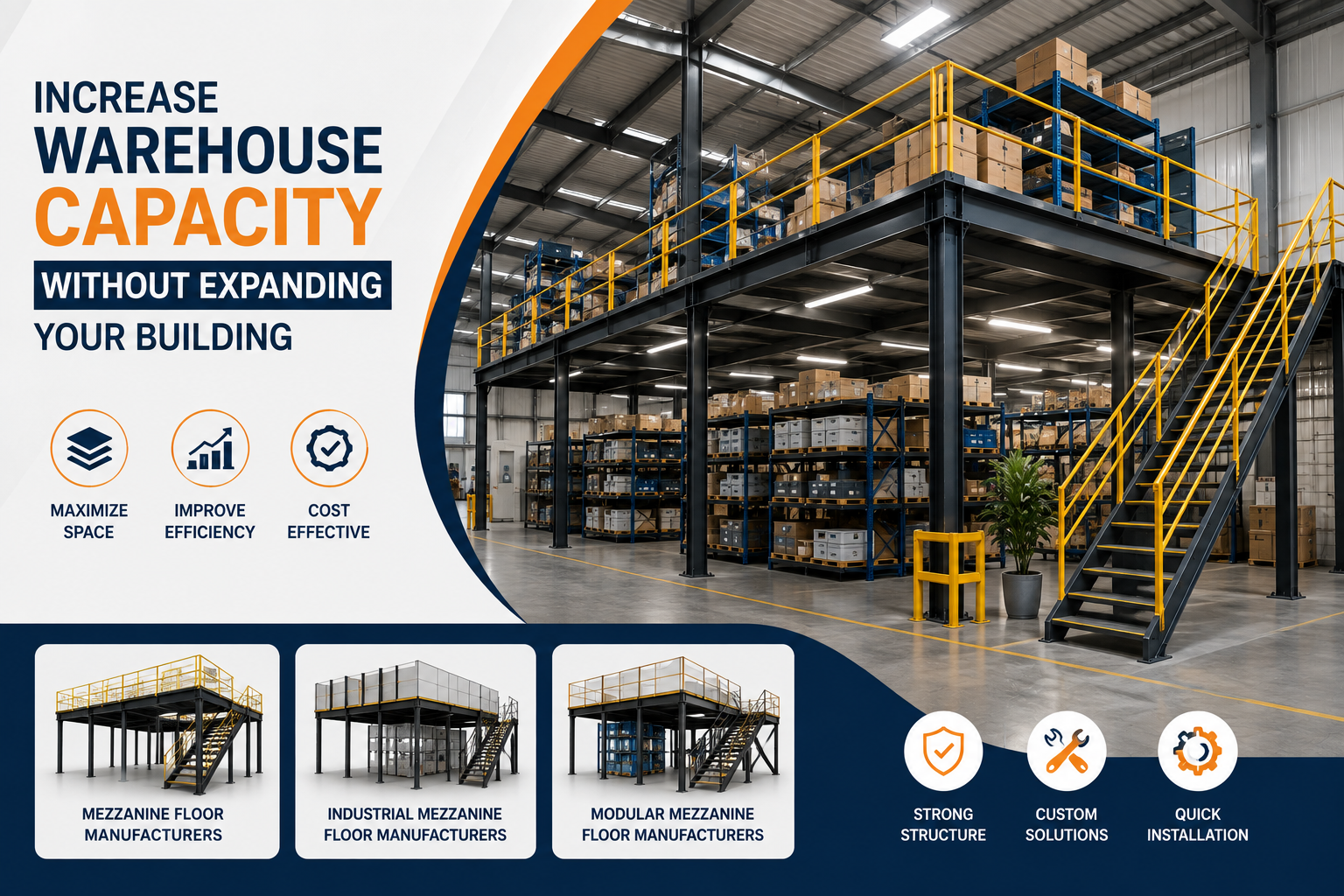
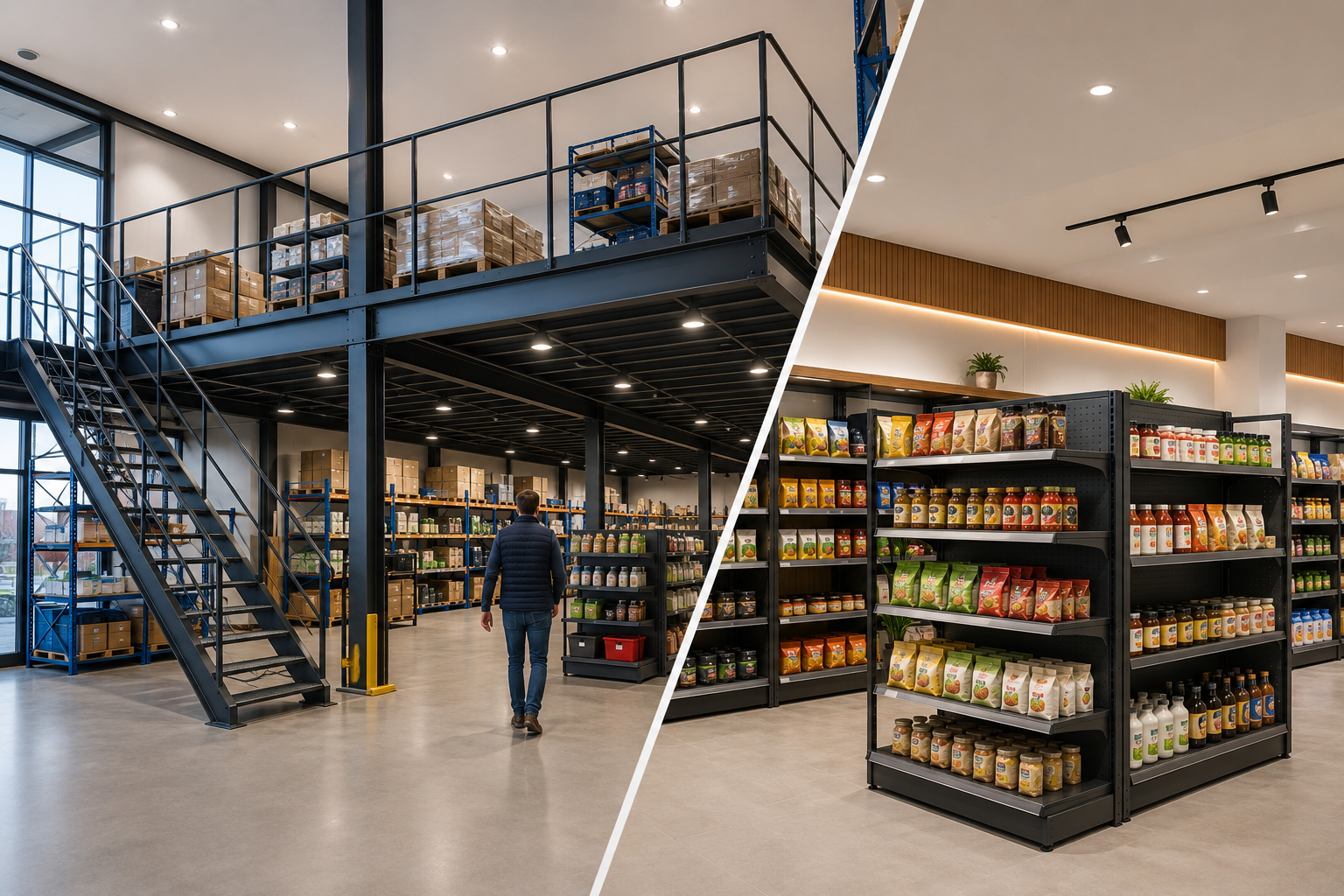
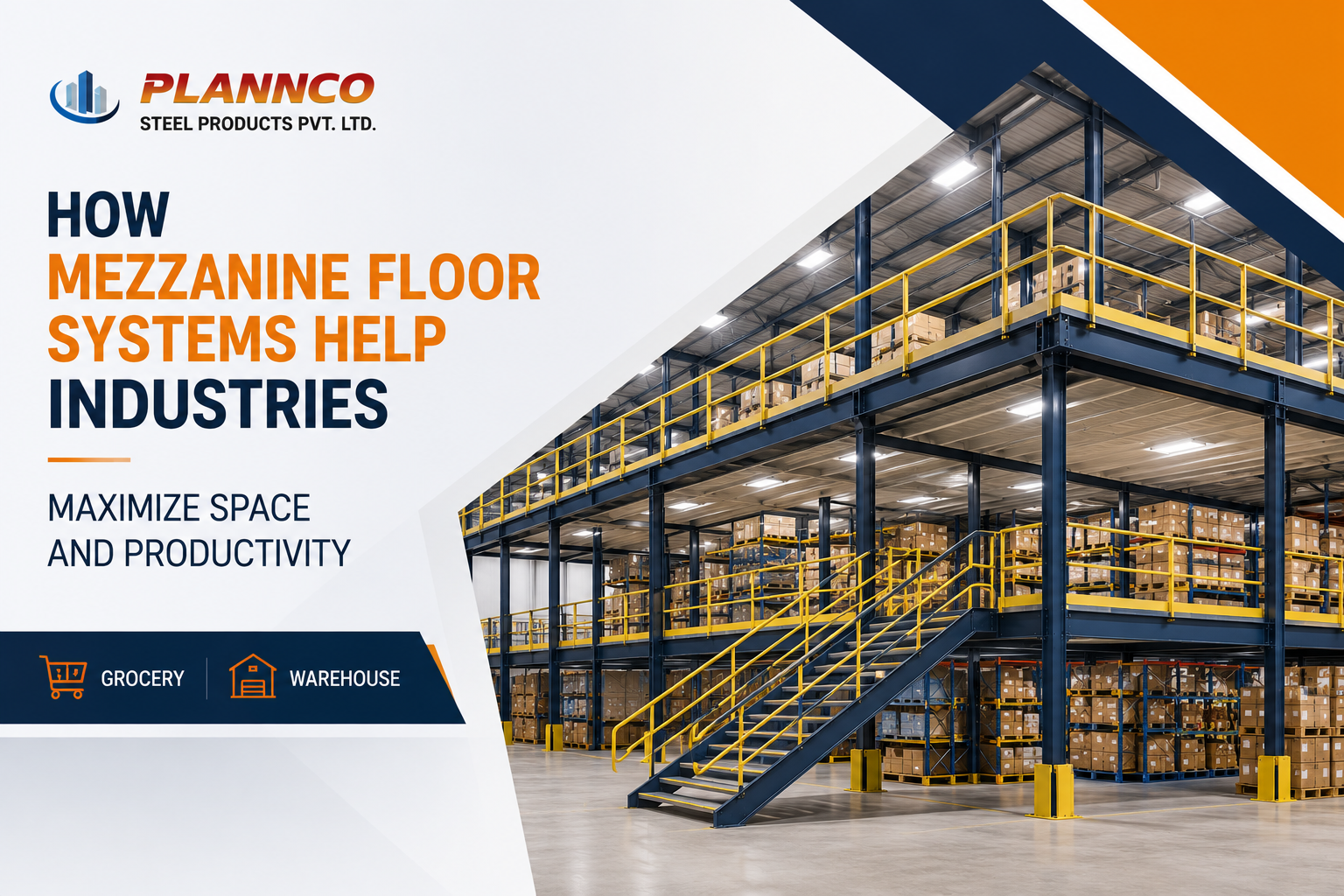
That's where MS Mezzanine Floor Manufacturers come in. A mezzanine is basically a raised platform built inside your existing structure, giving you a second usable level without touching the building's footprint. People use them for extra storage, packing and dispatch stations, small offices, or light assembly work. Instead of signing a new lease somewhere else, you're just finally using the air space you've been paying rent on the whole time.
Getting this right isn't a weekend job, though. It needs someone who checks your column spacing, calculates floor load properly, keeps fire exits and clearances in mind, and plans staircase or goods-lift access so it doesn't disrupt your existing racking layout. This is structural work not something to hand over to a random local welder because he quoted lower.
Choosing a Partner, Not Just a Supplier
Businesses that scale smoothly usually aren't the ones with the biggest sheds. They're the ones who squeeze the most out of the space they've already got fewer panic expansions, lower cost per unit stored, and warehouses that flex when order volumes spike instead of hitting a wall.
That's roughly the approach at Plannco Steel Products Pvt. Ltd., where the focus stays on engineering storage setups around how a business actually operates day to day, rather than pushing the same catalog product to every client. Custom racking layouts, steel pallets built for repeated heavy use, and mezzanine structures that are actually load-tested the idea is equipment that holds up for years, not just until the next audit.
Before You Plan Your Next Expansion
Take a walk through your own warehouse and look up. Check how much of that vertical space is doing nothing. Look at your pallets and ask how many you've replaced this year. More often than not, the extra capacity businesses go hunting for outside is already sitting inside their own four walls it just needs to be engineered properly.
-
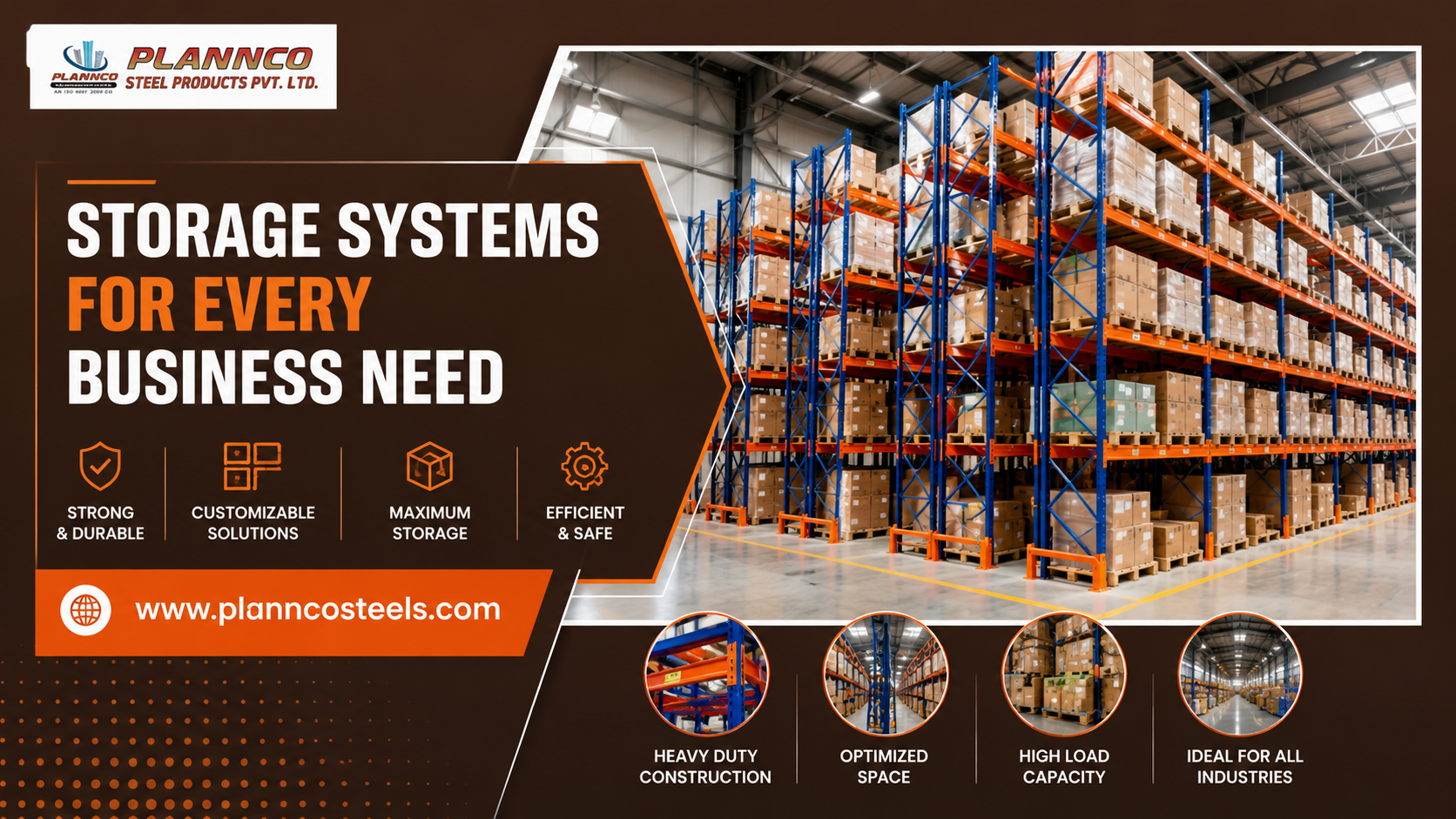 Storage Systems for Every Business Need
08-April-2025
-
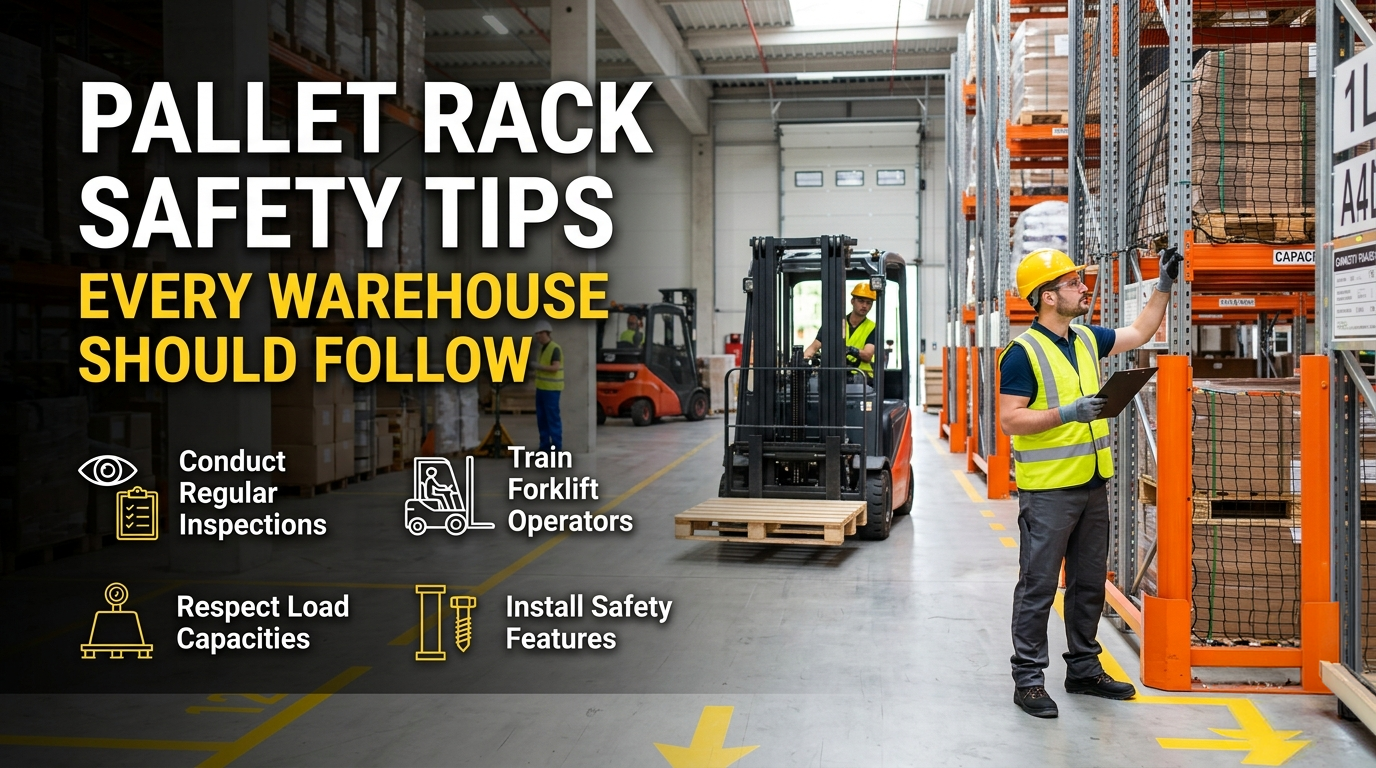 Pallet Rack Safety Tips Every Warehouse Should Follow
08-April-2025