How Can the Right Rack System Improve Retail and Industrial Storage Efficiency?
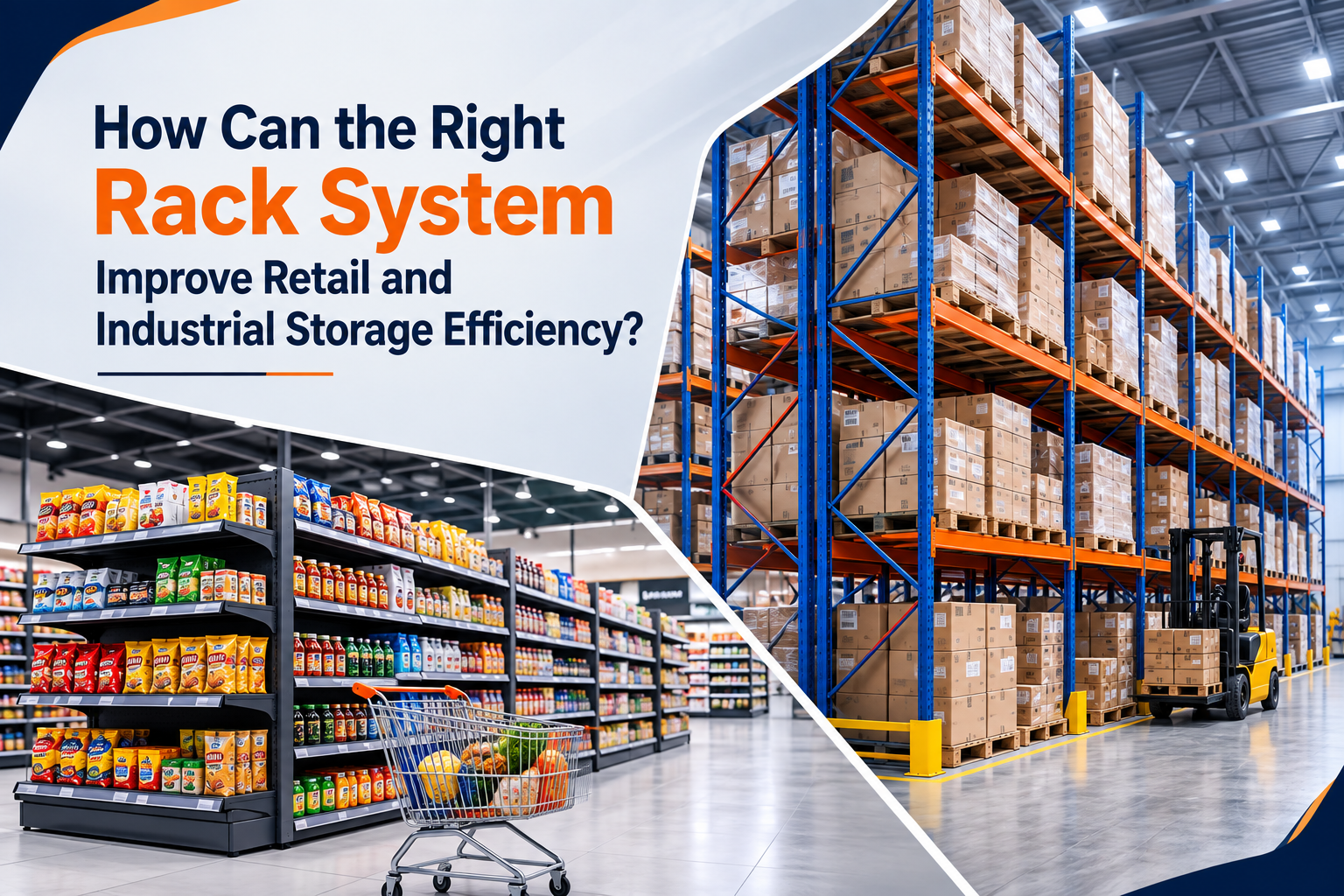
Table of Contents
- Storage Should Support the Way a Business Works
- Why Product Presentation Matters in Retail
- Industrial Storage Requires a Different Approach
- Making Better Use of Vertical Space
- When Heavy Loads Need Special Planning
- Accessibility, Rotation, and Everyday Productivity
- Safety and Long-Term Planning
- Conclusion
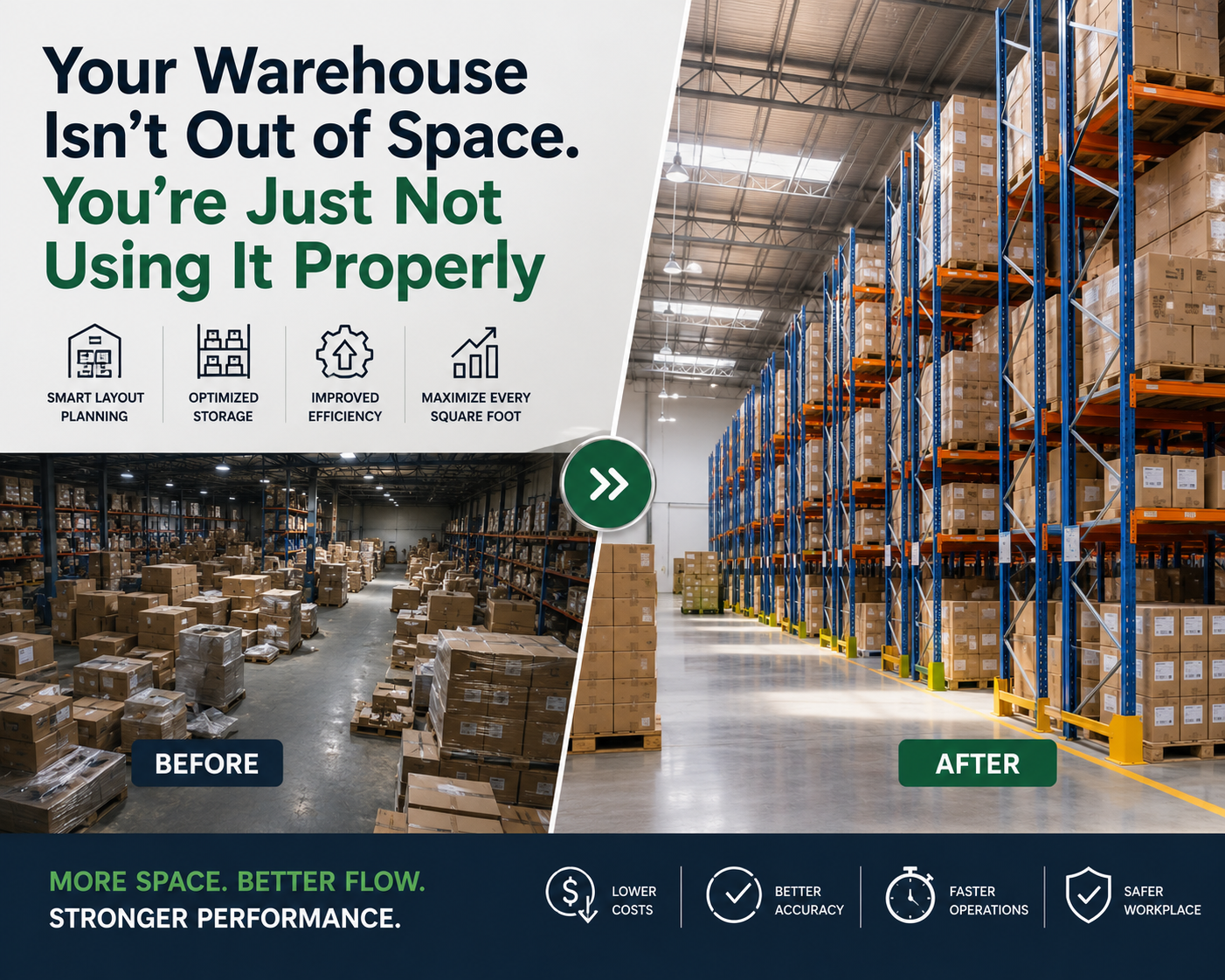
A storage area thrown together without much thought makes products hard to find, eats into usable floor space, and has staff walking back and forth more than they need to.
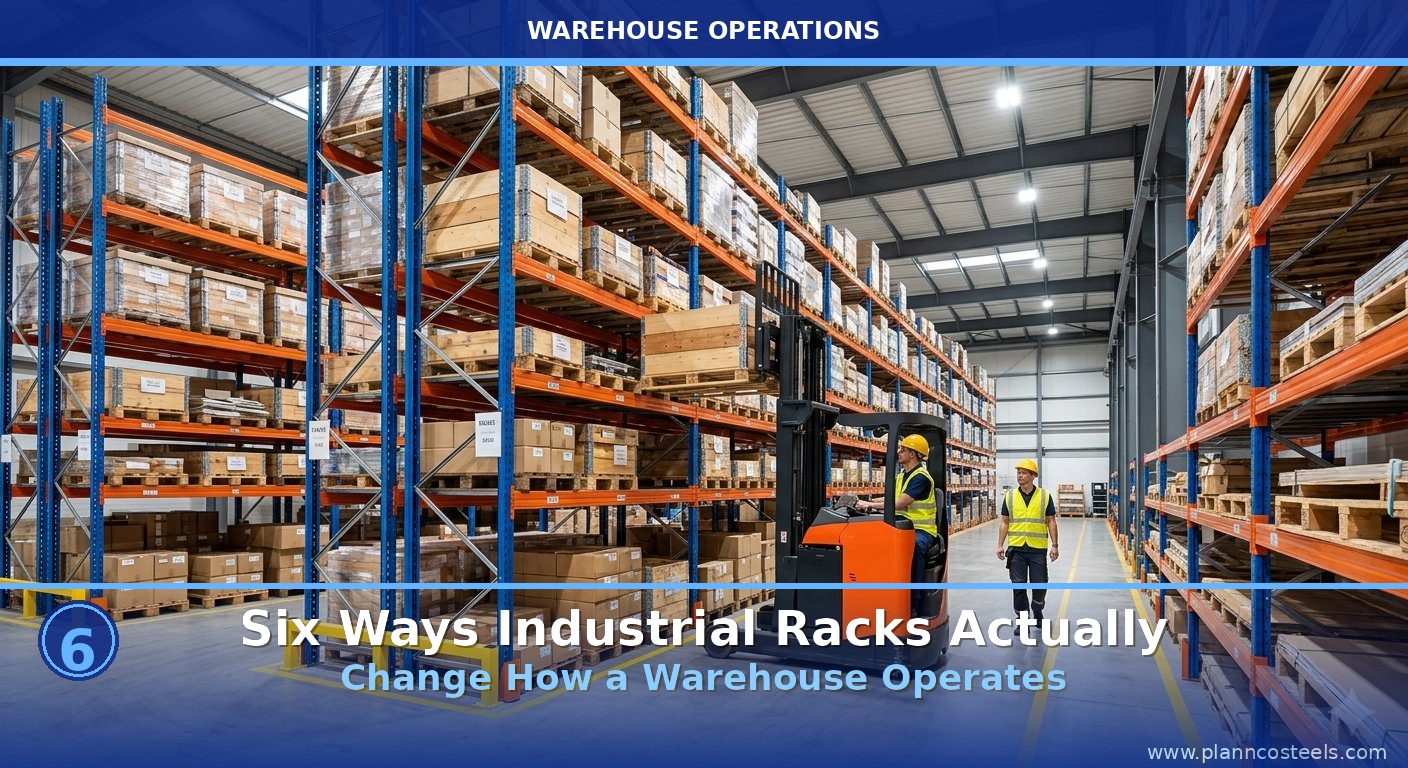
A rack system that's been planned properly does the opposite. It makes better use of the height you're already paying for, keeps products visible, simplifies stock handling, and makes the place feel less chaotic. The trick is picking equipment based on what the facility actually does, not because a rack looked sturdy enough in a catalog photo.
Plannco Steel Products Pvt. Ltd. works with businesses on exactly this storage and display solutions built around how a space is used, not just how much it can technically hold.
Storage Should Support the Way a Business Works
No two businesses handle products the same way. A retail store cares about attractive displays and easy customer access, while an industrial warehouse cares far more about load capacity and how quickly material moves.
Before ordering any racking, it helps to think through what's being stored, how heavy it is, how often it's accessed, how much floor space is available, and how much inventory you'll likely handle a year or two from now. Skip this, and you end up with racks that technically hold enough weight but never quite fit how people actually work.
Why Product Presentation Matters in Retail
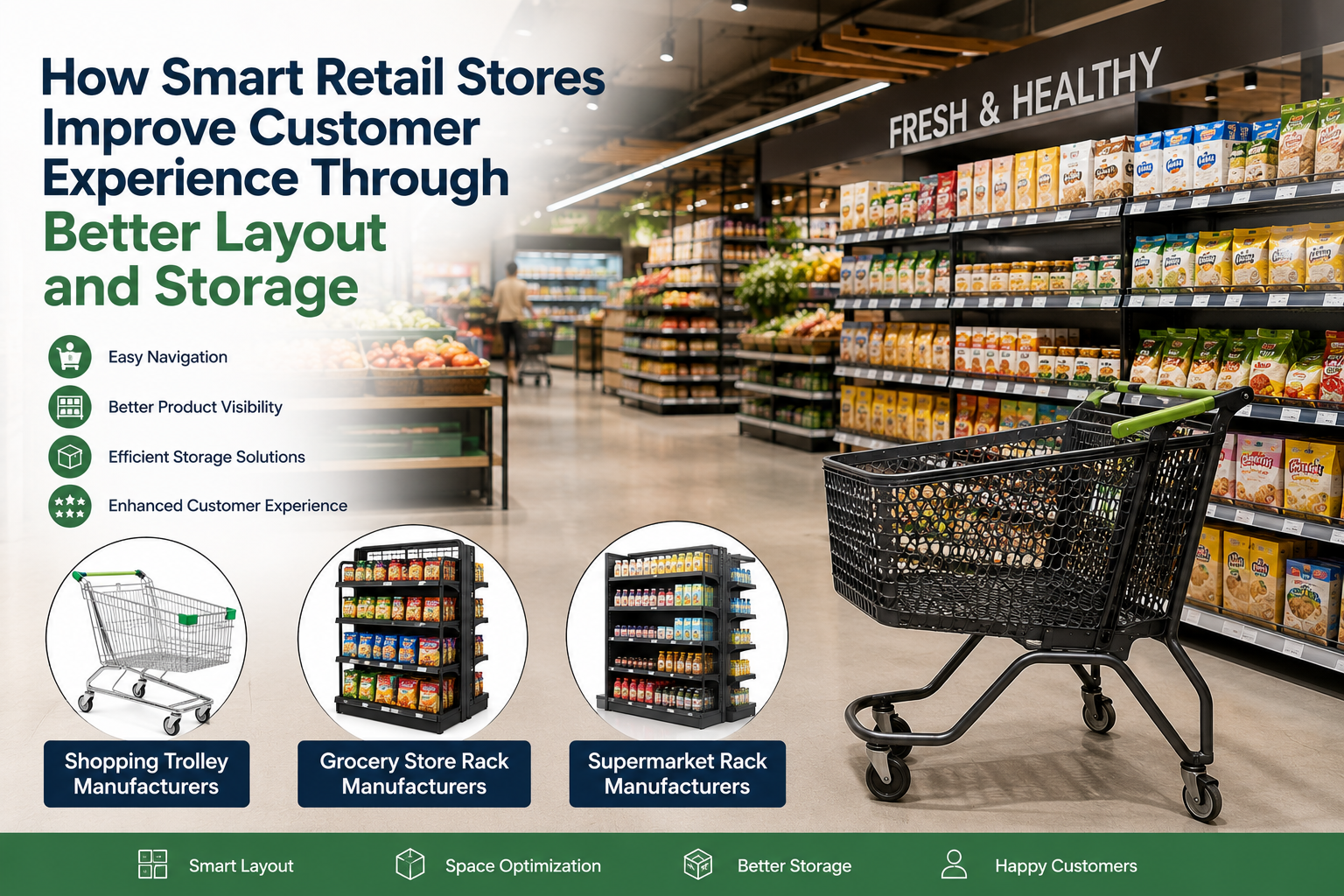
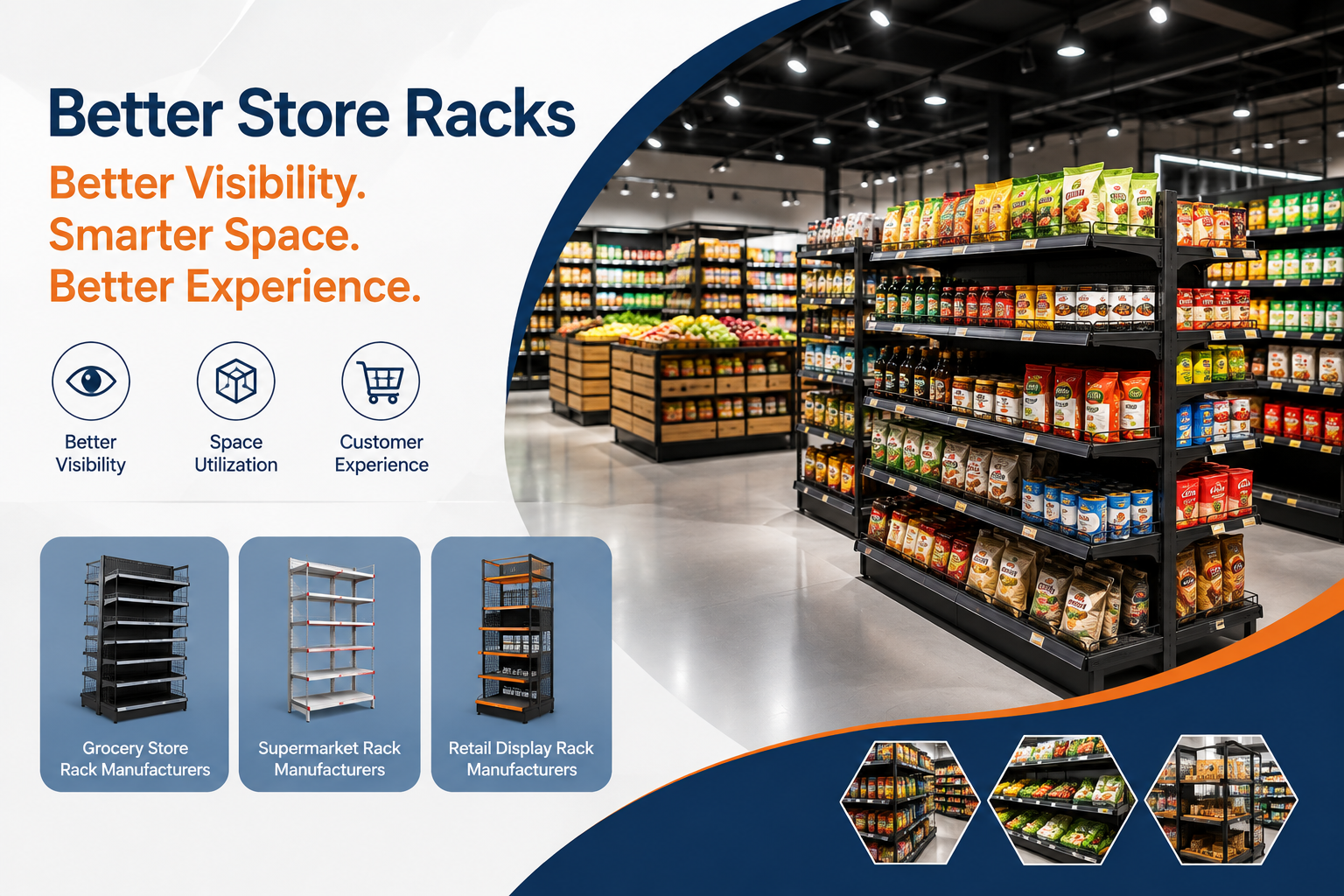
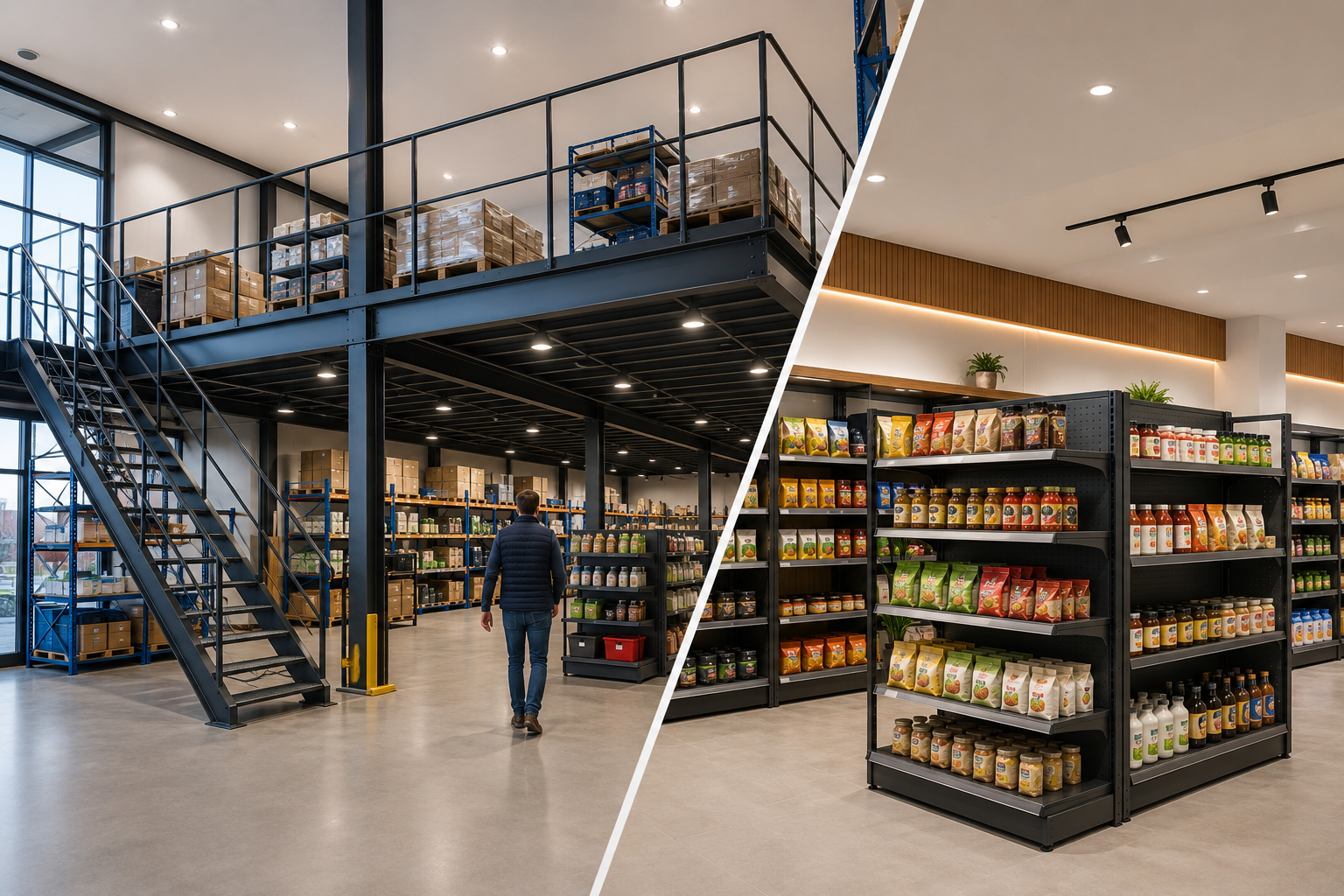
In retail, storage is part of what a customer experiences the second they walk in. Products need to be easy to see, easy to compare, and sitting at a height people can reach without stretching awkwardly. A display overloaded with stock feels cluttered; go too far the other way, and a half-empty shelf makes a store look like it has nothing to offer. The sweet spot is a layout where products are grouped sensibly without wasting the floor space you're paying rent on.
This is where working with a proper Retail Display Rack Manufacturers partner pays off. A good one helps retailers organise merchandise by type, size, brand, or promotion, while keeping the rack in line with the store's layout so customers can move through comfortably.
Customer behaviour matters just as much as physical fit. Products that sell well deserve the most visible spots, new or promotional items need a bit of extra prominence, and smaller items need shelving that's been thought through so they don't get lost next to bulkier products. Depth and height matter too shelves that go too deep hide whatever's at the back, and shelves set too high leave customers struggling to reach things they'd otherwise buy.
Industrial Storage Requires a Different Approach
Industrial facilities play a different game entirely. Heavier products, raw materials, spare parts, tools structural strength and load management take priority over appearance.
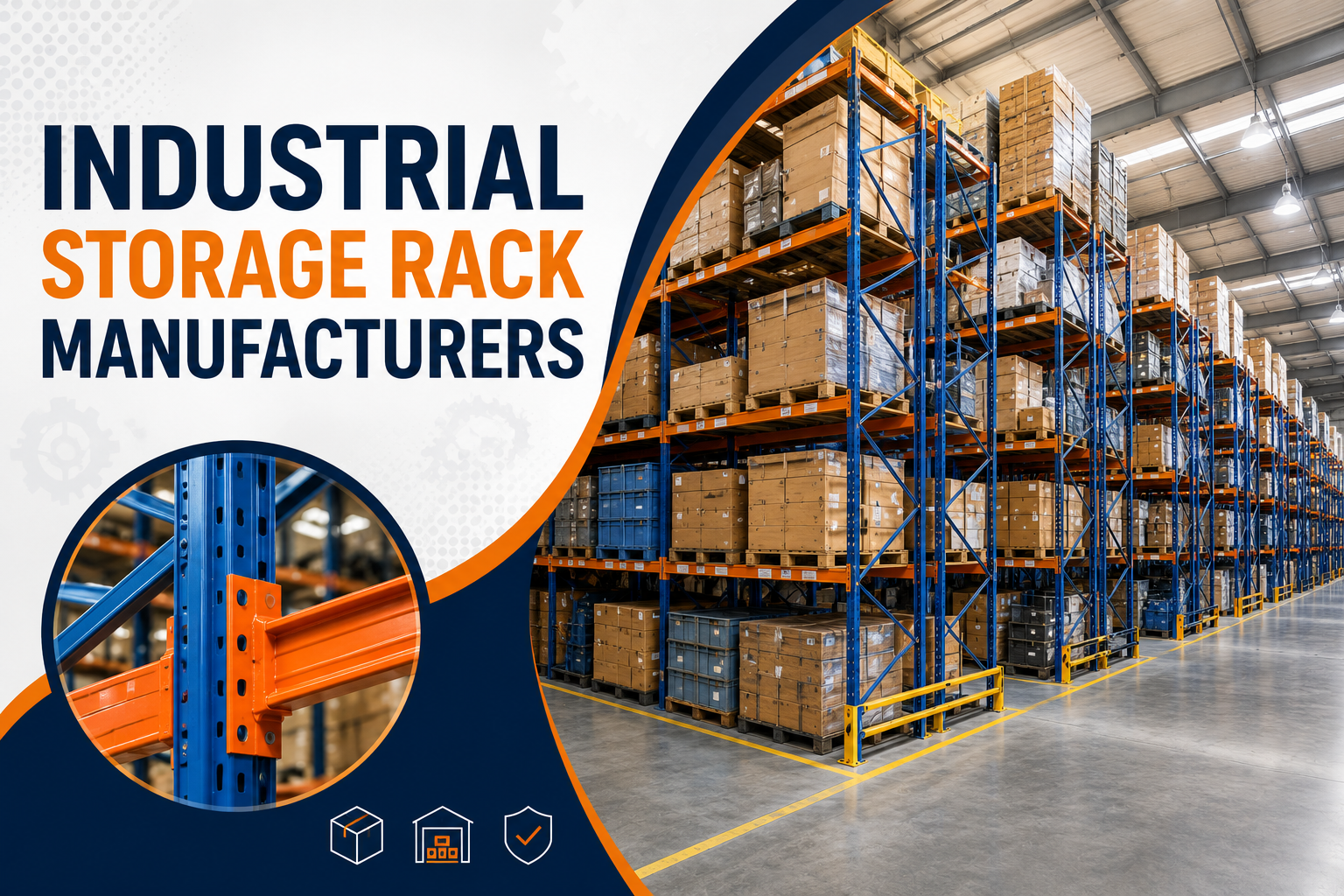
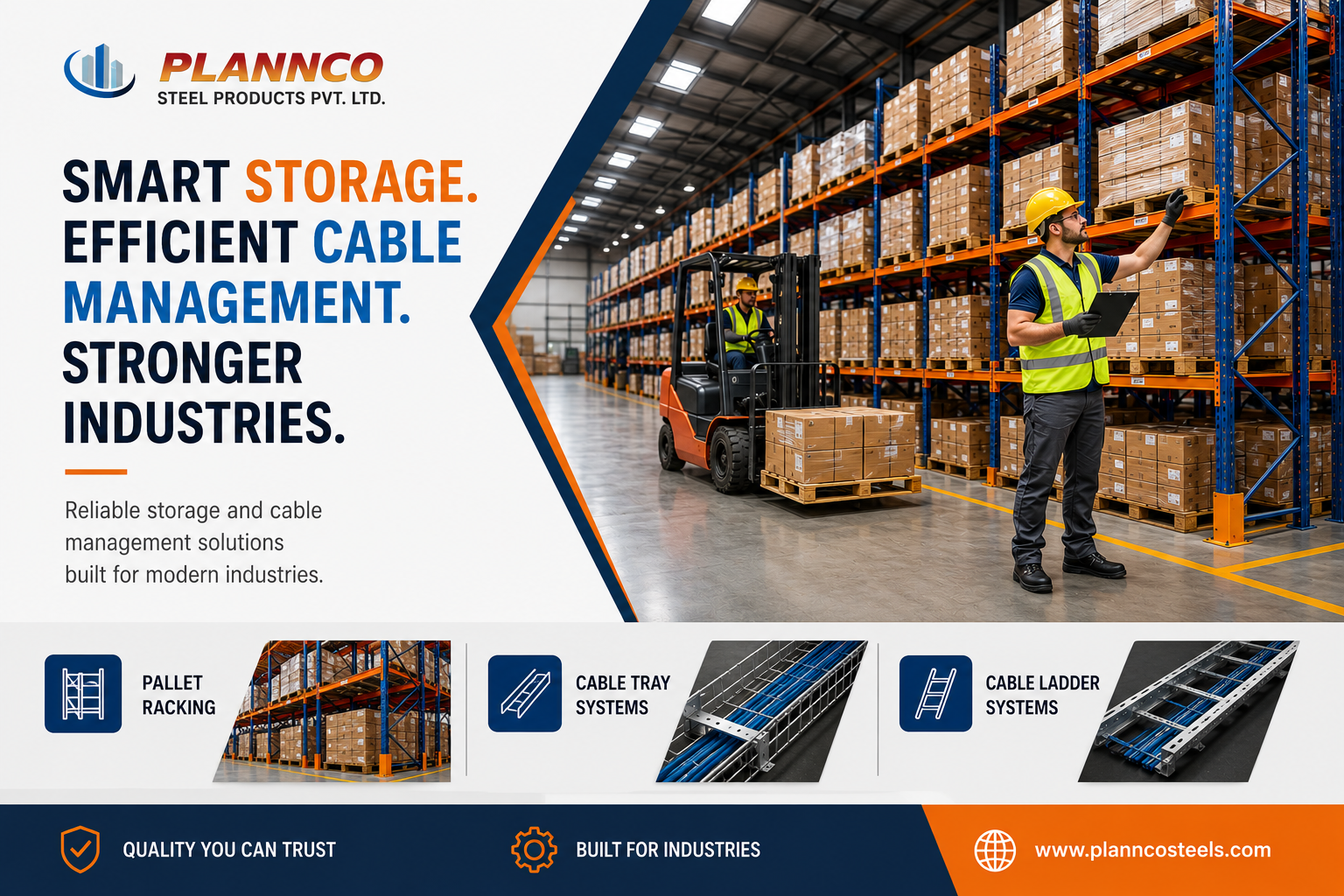
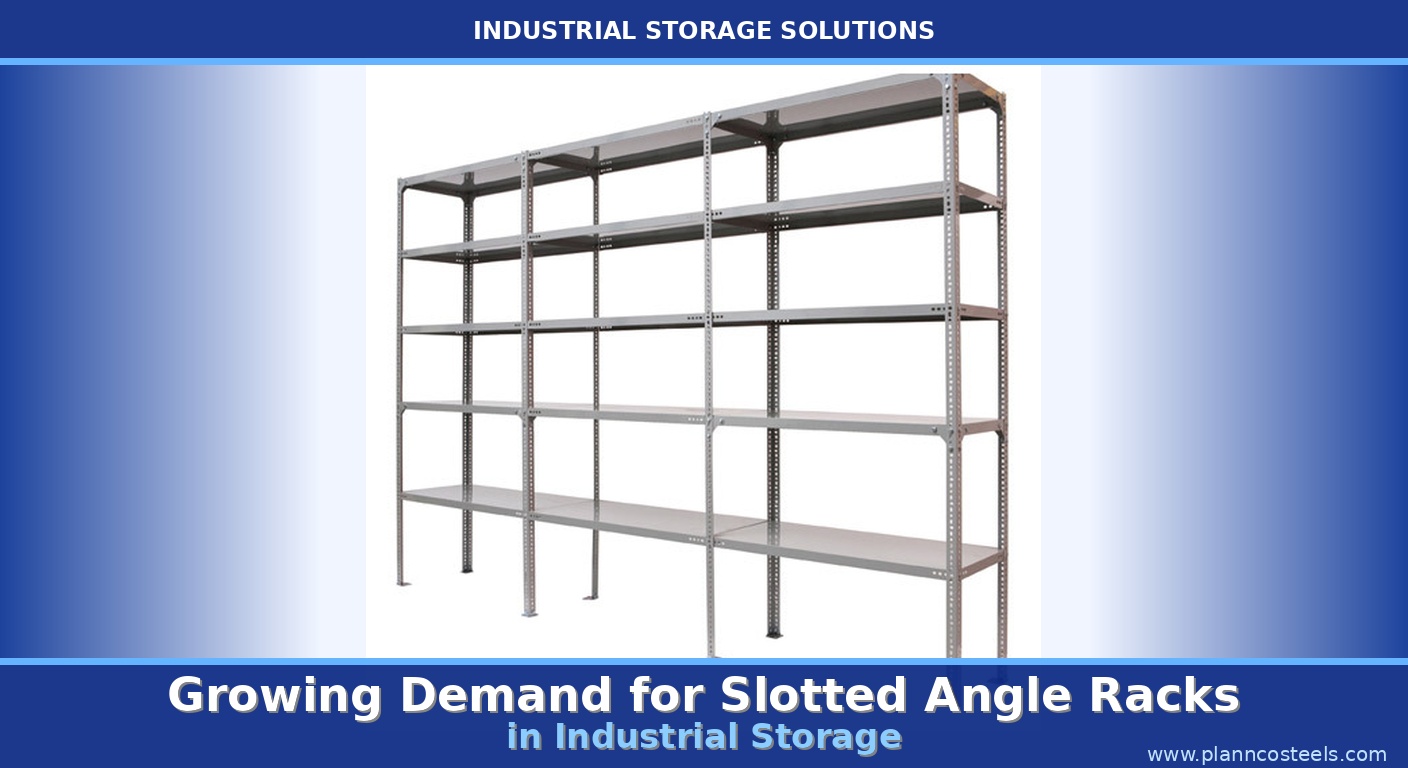
This is where a properly built Metal Rack Manufacturers system earns its keep, though it's worth saying clearly that not every metal rack performs the same way, even if they look nearly identical side by side. The rack needs to match the dimensions and weight of whatever's going on it load requirements, shelf configuration, material thickness, and construction quality all affect real-world performance. Get this part wrong, and the storage system quietly becomes something you have to work around.
Making Better Use of Vertical Space
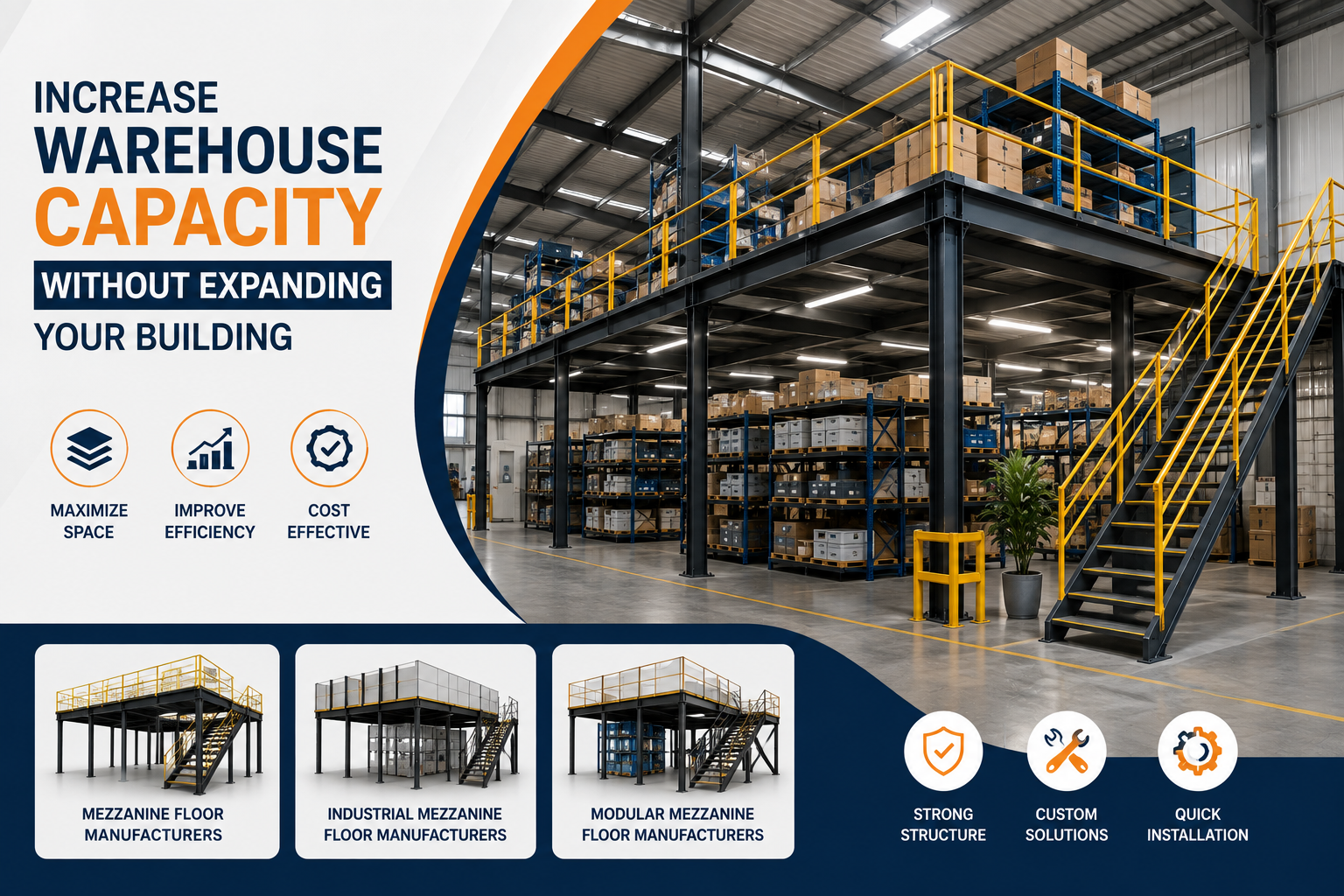
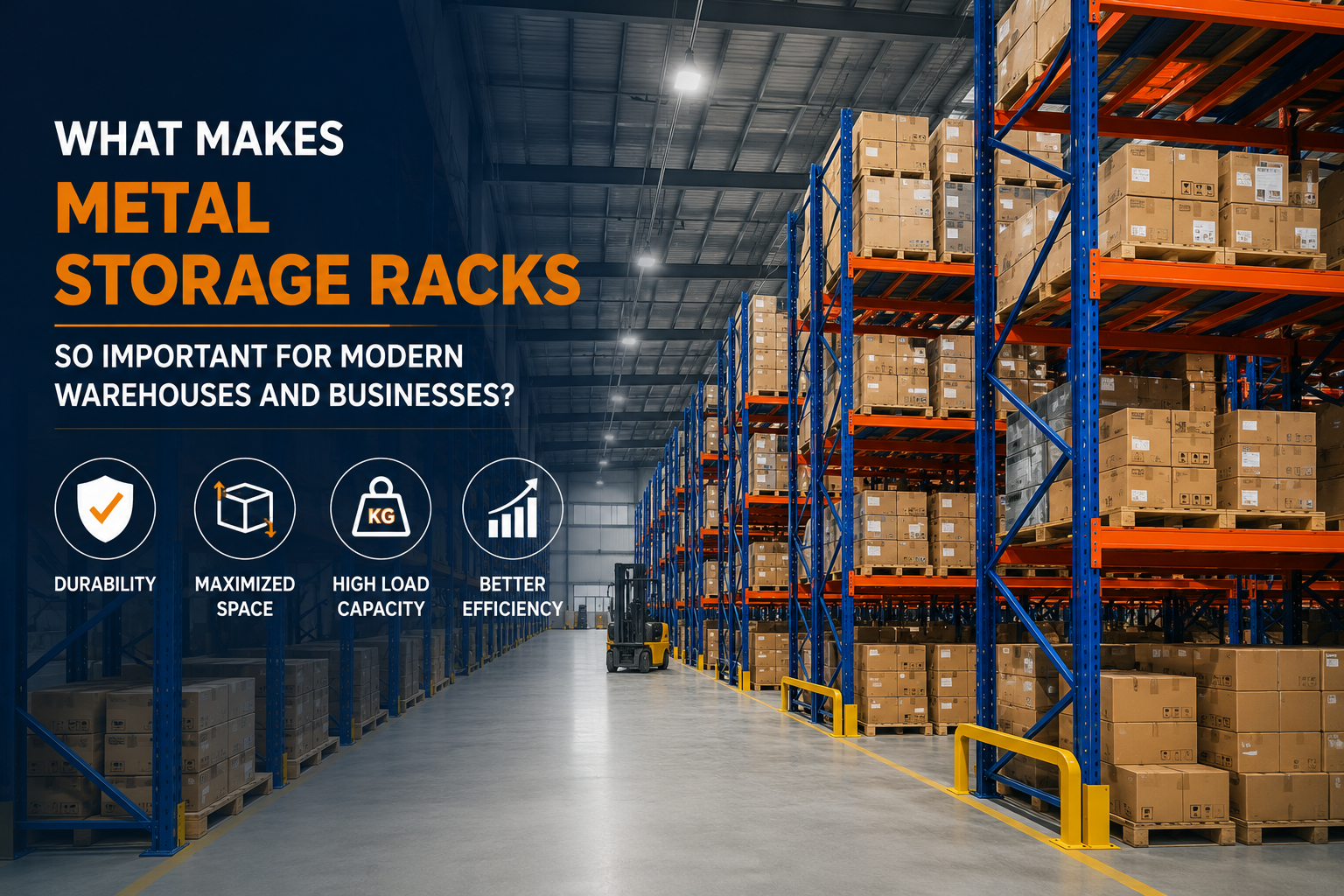
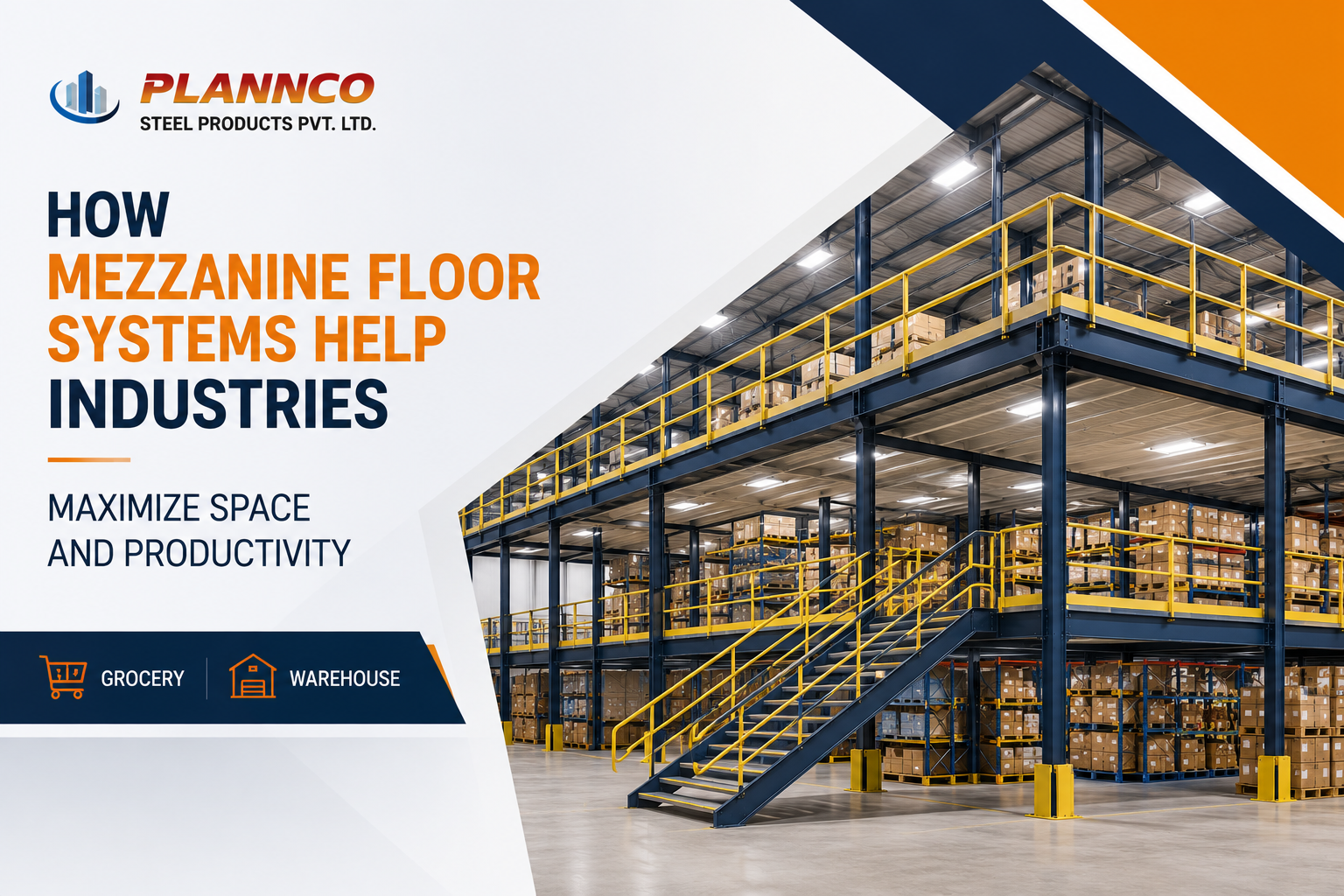
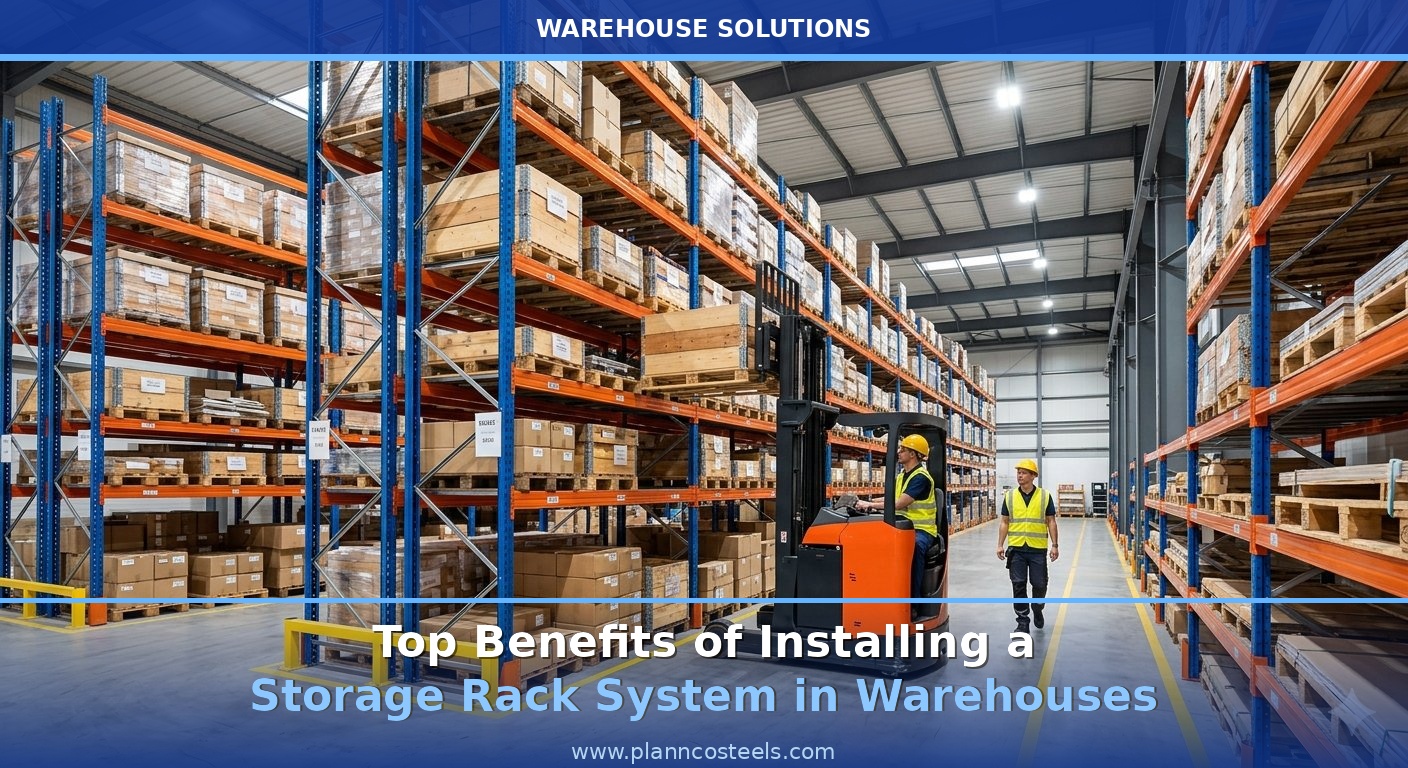
One of the most overlooked storage opportunities in most warehouses is the empty air above the current stock level. If products only ever get stored across the floor, a sizeable chunk of the building sits idle while you keep paying rent on it. The right rack configuration can increase storage density significantly without adding a single square foot to the building.
That said, going vertical isn't something to do carelessly. Ceiling height, lifting equipment, product weight, how easily staff can reach what's stored up there, and general safety all need to be part of the plan storing things higher only helps if people can safely get to that inventory when they need it.
When Heavy Loads Need Special Planning
Not everything belongs on ordinary shelving. Machinery components, dense metal parts, and industrial equipment can put real strain on a storage system that wasn't built to handle that kind of weight.
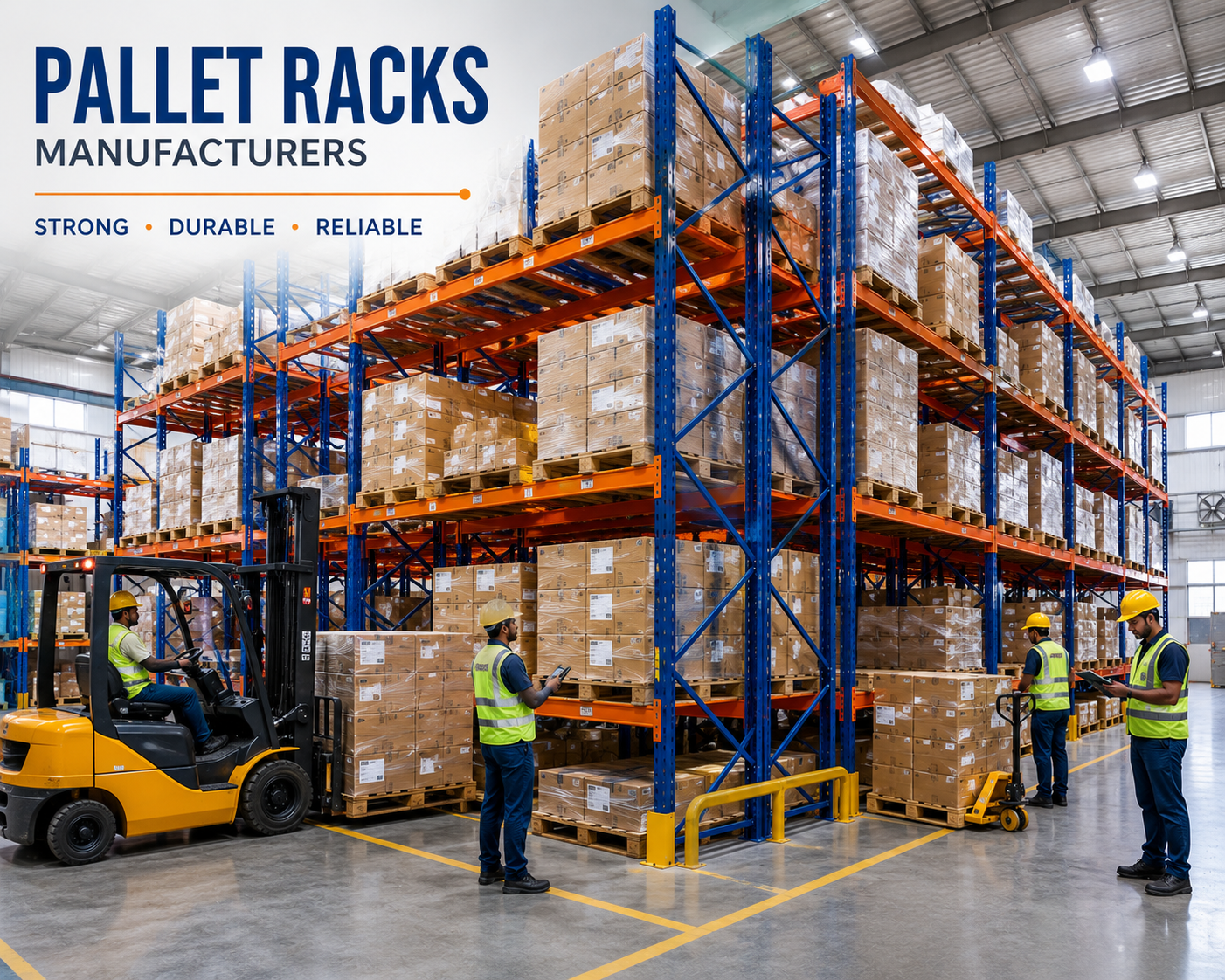
This is exactly the situation a proper Heavy Duty Rack Manufacturers setup is meant for storage engineered around demanding, high-load applications rather than general-purpose use. It shouldn't be chosen just because it looks solid on paper; businesses need to be upfront about expected load, product dimensions, handling method, and access frequency, so the configuration matches real operating conditions rather than a rough guess.
Accessibility, Rotation, and Everyday Productivity
A storage system only earns its keep if employees can get to what they need without a hassle. Picture a warehouse where the components people reach for constantly sit at the far end of the building a minor annoyance once, but repeated dozens of times a day across a team, it becomes a real productivity drain. A smarter layout puts fast-moving products close to where the work happens and pushes slower-moving inventory further back. For businesses dealing with expiry dates or batch tracking, the layout should also support proper rotation, so older stock never ends up buried behind newer stock simply because of how a shelf was arranged.
Safety and Long-Term Planning
Packing more into less space should never come at the cost of safety. Load capacity, rack stability, clear access routes, and how employees move through the space all need to be considered together, not as an afterthought. Regular inspection matters too damage, loose fittings, and overloaded shelves turn into real problems if ignored for long, and clear labelling helps by giving employees an obvious answer to where things belong.
Ideally, a storage system should outlast your current inventory by a good few years. Stock volumes grow and product ranges shift, so it's worth asking upfront whether a system can be expanded or reconfigured later a bit of foresight now is usually cheaper than an overhaul down the line.
Conclusion
The right rack system genuinely changes how a facility operates day to day. It can lift product visibility on a retail floor, add real storage capacity in a warehouse, and give demanding industrial applications the organised support they need. But there's no single setup that works for every business what fits depends on the inventory involved, load requirements, available space, and where the business is headed. Businesses that treat storage as a long-term investment, rather than a quick fix, end up making far better use of the space they already have.
-
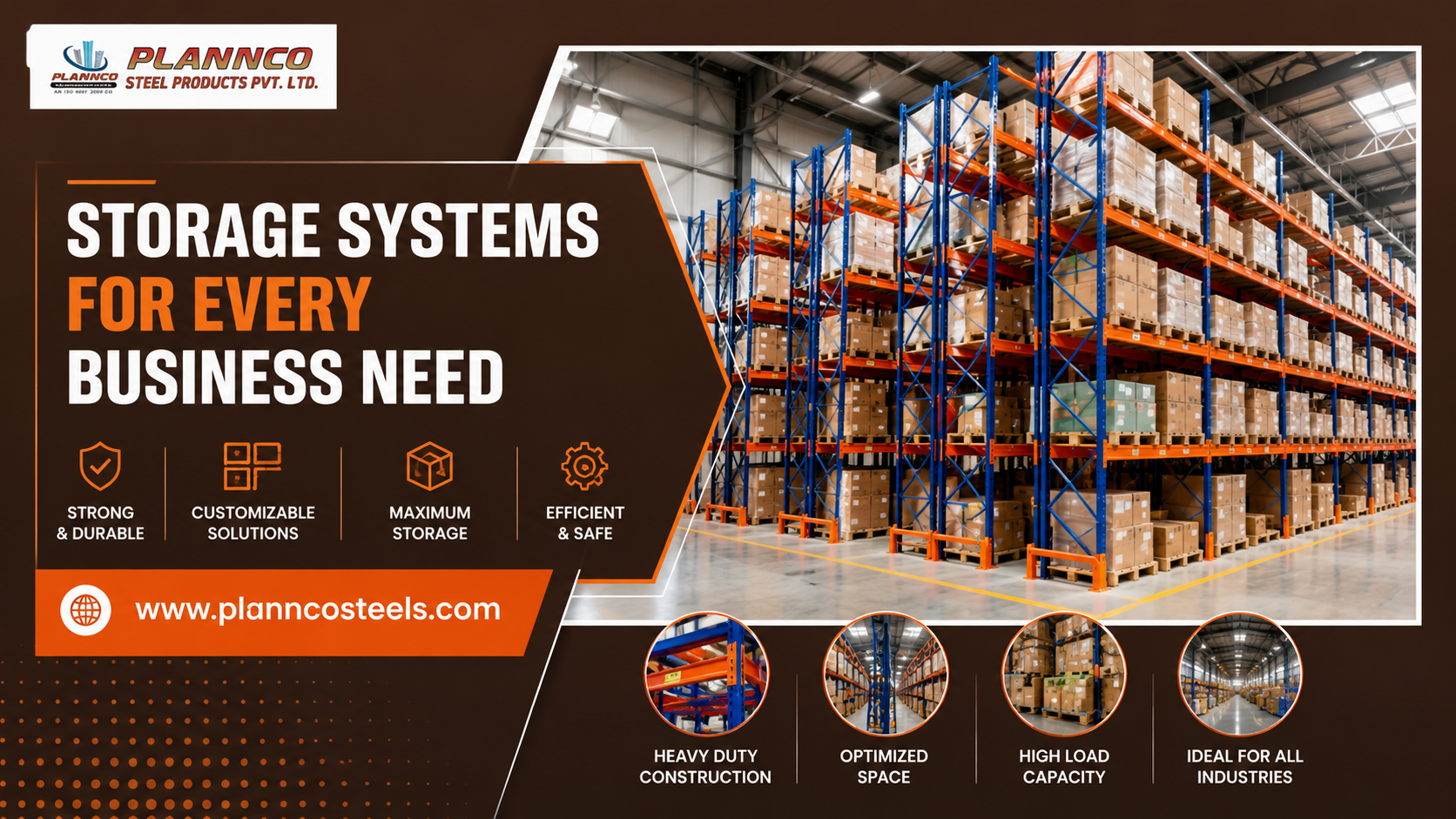 Storage Systems for Every Business Need
08-April-2025
-
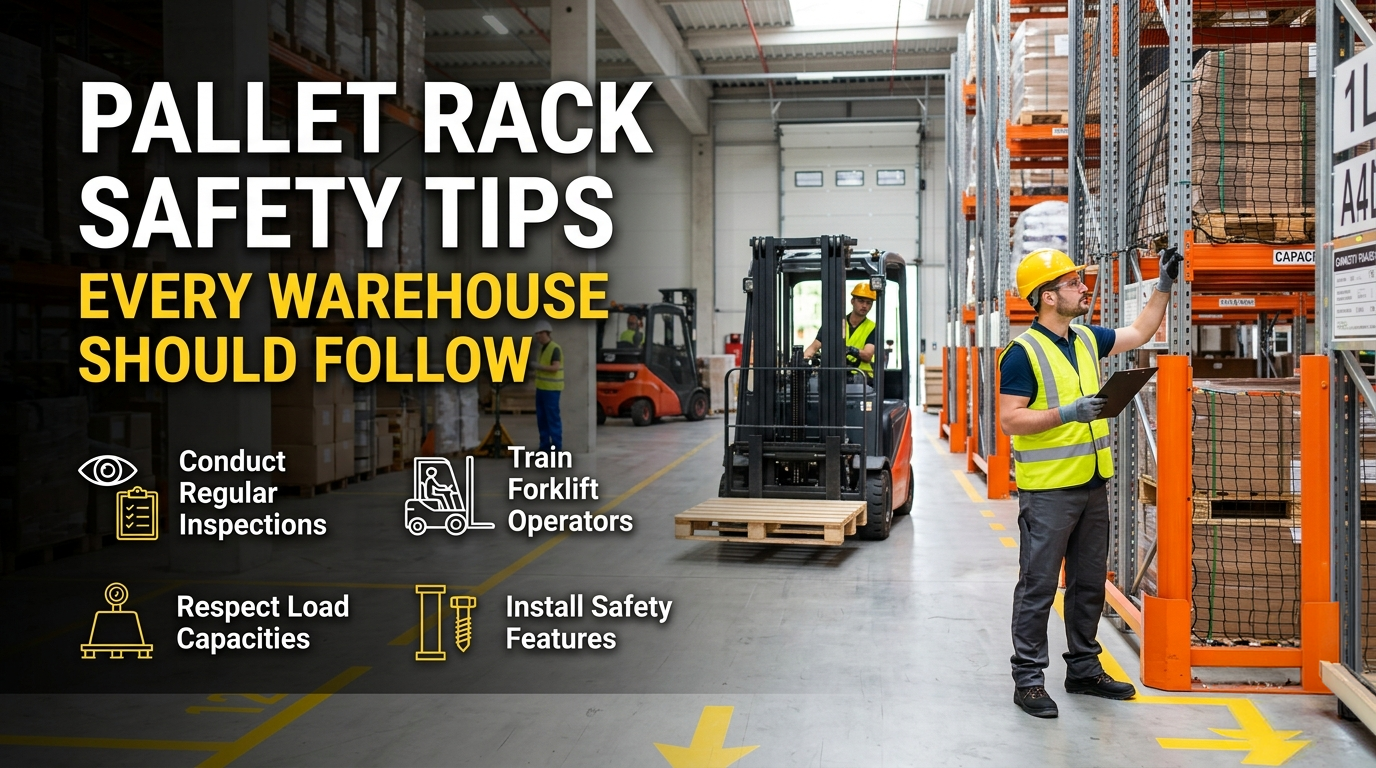 Pallet Rack Safety Tips Every Warehouse Should Follow
08-April-2025