How Smart Retail Stores Improve Customer Experience Through Better Layout and Storage
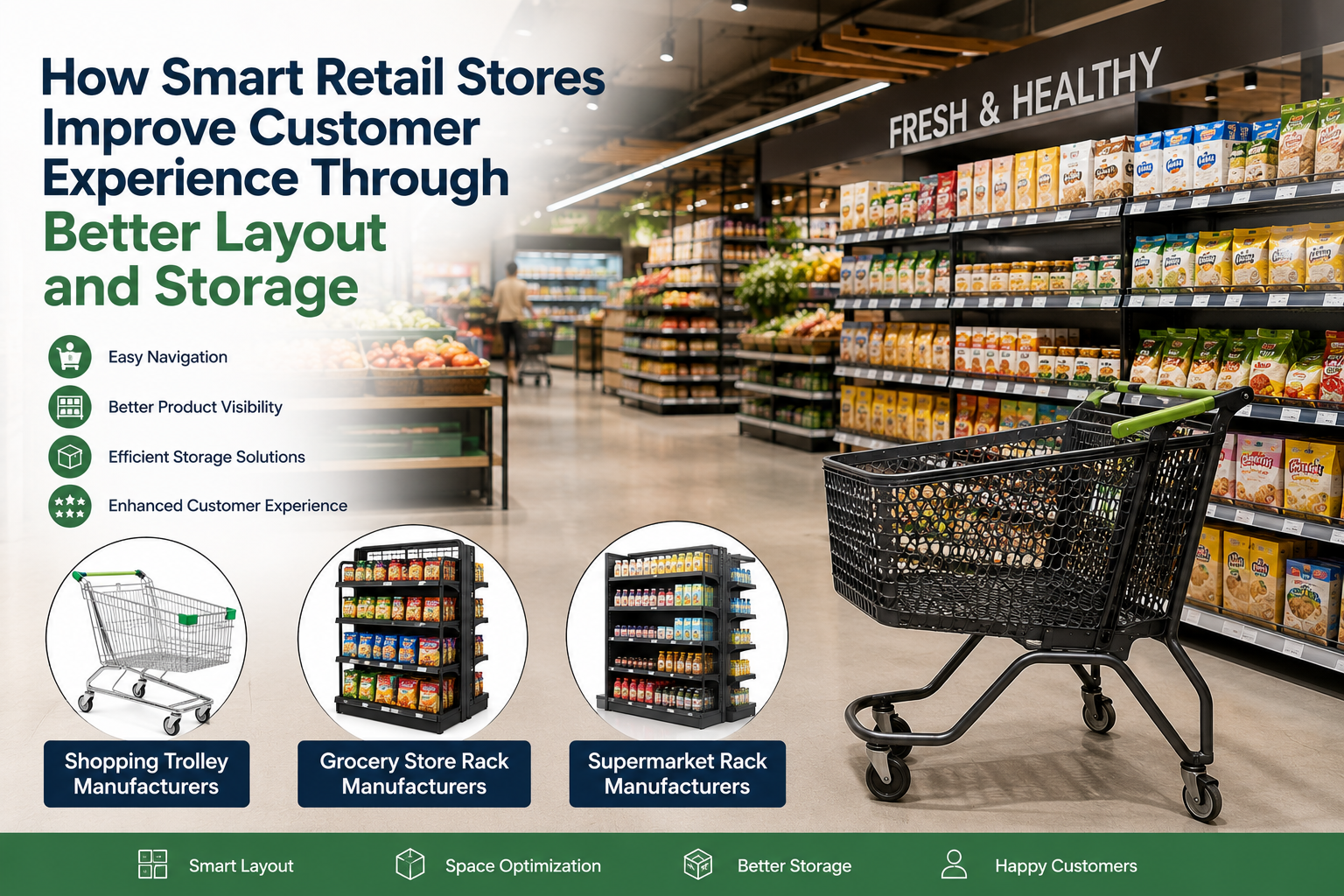
Table of Contents
- Why Store Layout Has Become More Important
- Choosing Storage According to Product Type
- The Role of Grocery Store Storage Planning
- Planning for Supermarket Scale
- Why Trolleys Affect the Shopping Experience
- Designing Aisles Around Real Customer Behavior
- Inventory Replenishment Should Be Part of the Design
- Safety and Durability Matter
- Making Retail Space Work Harder
- Conclusion
What makes a store work is whether people can move through it, find what they came for, compare a couple of options, and get to the till without fighting their way there. Retailers are dealing with the flip side of that same coin limited floor space, inventory that needs managing, product visibility, staff trying to do their jobs, and restocking that somehow has to happen without turning the aisles into an obstacle course.
This is really why store planning deserves more attention than it often gets. Get the layout right and customers browse more, staff restock without drama, and the whole place just runs better. Plannco Steel Products Pvt. Ltd. builds its retail and storage solutions with exactly this kind of everyday reality in mind.
Why Store Layout Has Become More Important
People don't have patience for hunting around a store anymore. Nobody wants to spend ten minutes looking for cooking oil, and nobody enjoys squeezing past a trolley in a too-narrow aisle.
A layout that works creates a sense of direction without anyone having to think about it. Shoppers should be able to guess where the dairy section is before they even ask.
There's also the practical side that customers never see. Staff need room to refill shelves, wheel in stock, sort inventory, and mop the floor all without getting in anyone's way.
So in practice, retailers are constantly balancing three things:
Customer movement Product visibility Efficient inventory handling
When those three actually work together instead of against each other, the store becomes easier to manage and, frankly, nicer to be in.
Choosing Storage According to Product Type
Not everything belongs on the same kind of shelf. Packaged groceries, household goods, drinks, clothing accessories, bulkier items each one behaves differently once it's sitting on a rack.
Weight is a big factor. Heavier products need to sit somewhere staff and customers can actually lift them without straining something. Items that fly off the shelf regularly should be easy to grab, while whatever's on promotion this week probably needs a spot people will actually notice.
Dimensions matter too, more than people expect. Pick the wrong rack size and you're either wasting vertical space or cramming things in sideways.
None of this is about squeezing in as many shelves as physically possible. It's about using the space intelligently and still keeping things within reach.
Creating Better Product Visibility
Nobody buys what they never see.
This gets harder the bigger the store gets once you're carrying hundreds or thousands of SKUs, visibility stops being optional. A display that's actually organized lets shoppers compare brands, sizes, and prices without needing a map.
But there's a line. Cram too much into one spot and it stops being a display and starts being clutter customers just tune it out.
The trick is stocking enough without losing clarity. Labels, category markers, pricing, and the odd promotional sign all pull their weight here.
And this isn't a set-it-and-forget-it job. Store managers need to revisit displays now and then, because what customers want shifts sometimes faster than anyone expects.
The Role of Grocery Store Storage Planning
Grocery stores have it particularly hard. Hundreds of products, all different sizes, weights, packaging, and turnover speeds it's a genuinely tricky puzzle.
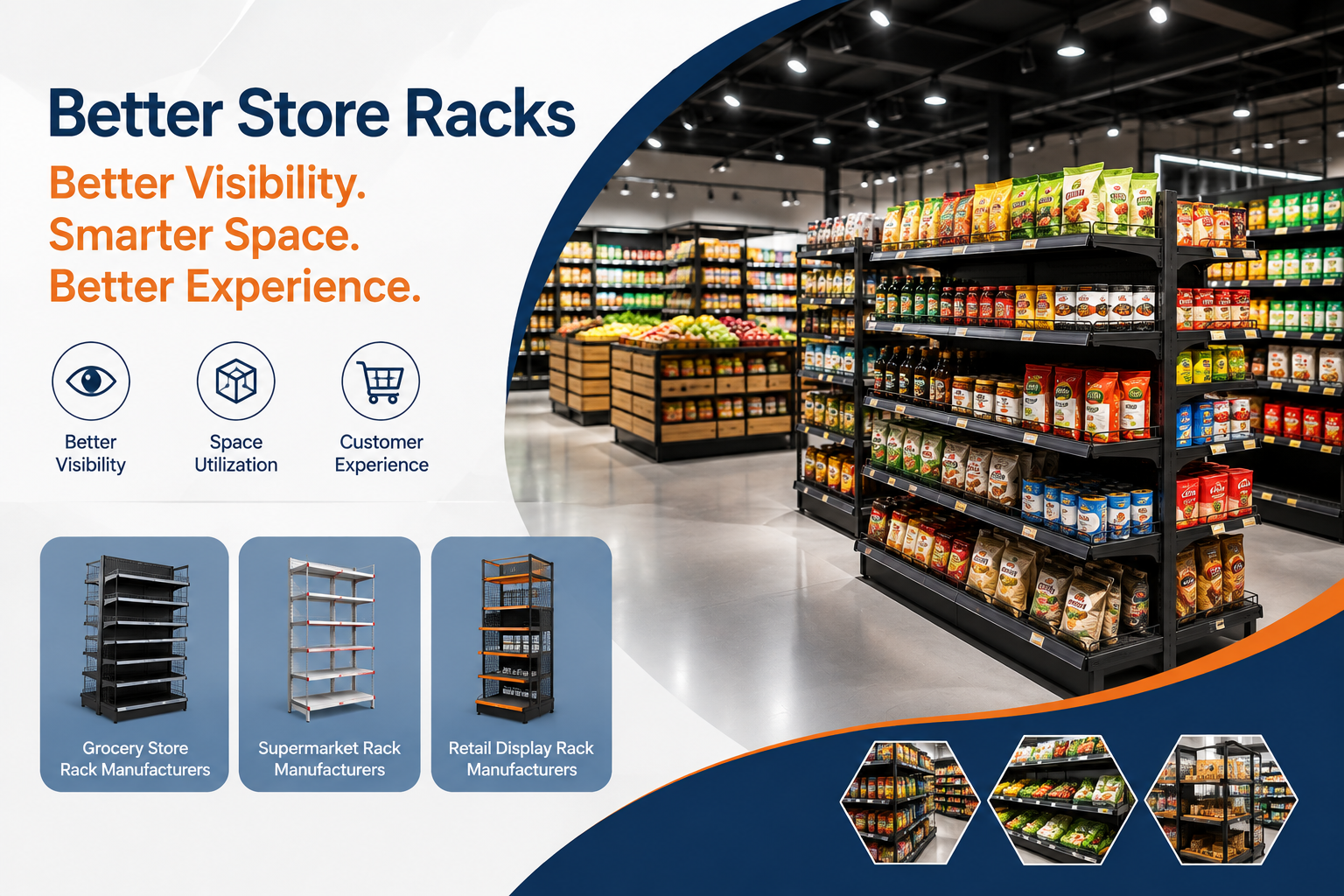
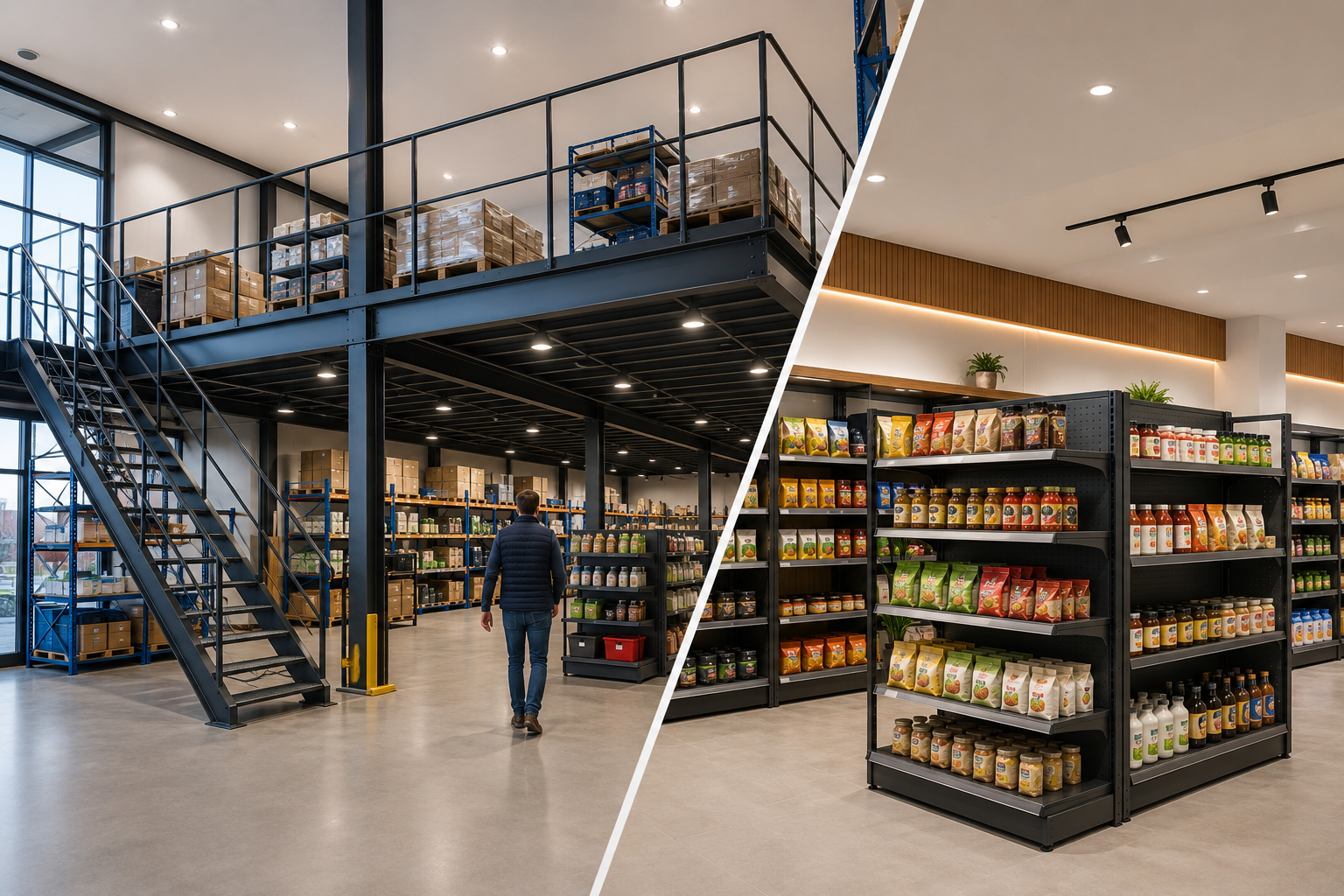
A decent Grocery Store Rack Manufacturers solution needs to support that kind of organized placement while still letting staff restock fast when something runs low.
Fast-moving stock usually needs to sit somewhere obvious and easy to reach. Slower stock can sit further back. And products people tend to buy together think pasta and pasta sauce are worth keeping close to one another, just to make the trip easier.
Shelf height is one of those details that's easy to get wrong. Too high, and people can't reach it. Too low, and you're leaving vertical space on the table that could be holding more stock.
A grocery layout that actually works ends up balancing what's convenient for the customer against what the store can realistically fit.
Planning for Supermarket Scale
Supermarkets are a different animal bigger inventories, heavier foot traffic, more moving parts. Structural planning stops being a nice-to-have at this scale.
A solid Supermarket Rack Manufacturers solution has to account for aisle width, product categories, shelf height, how much weight the inventory carries, how people move through the space, and how staff restock without causing a scene.
Shoppers need to be able to move comfortably even when the store's packed on a Saturday afternoon, and staff need restocking routes that don't turn into a game of chicken with customers' trolleys.
Flexibility is the other piece people underestimate. Supermarkets are always rotating in new products, seasonal pushes, changing ranges a rigid storage system just can't keep up. It needs room to adapt.
Why Trolleys Affect the Shopping Experience
It sounds like a small thing, but trolleys shape a customer's experience more than most retailers give them credit for.
Shopping Trolley Manufacturers are quietly doing a lot of the work here, building equipment that's meant to move smoothly through a retail space without a fight.
A trolley worth using should be comfortable to push, stable when it's loaded up, and sized right for how the store actually gets shopped. Wheel quality alone changes how easily someone can steer around a corner or squeeze down a tight aisle.
Then there's trolley storage an easy thing to overlook. Trolleys left scattered near the entrance or dumped by the checkout create congestion fast, and honestly, it makes a store look a bit chaotic.
A proper trolley collection point fixes most of that cleaner entrance, smoother flow, less mess to deal with.
Designing Aisles Around Real Customer Behavior
Aisles work better when they're planned around how people actually shop, not just divided up evenly because it looks tidy on a blueprint.
Shoppers stop constantly to compare two brands, check a price, read a label, toss something in the basket. Narrow aisles turn all of that into a bottleneck.
Go too wide, though, and you're eating into space that could be holding product.
So it's a balancing act. Enough room to let people actually shop, without wasting floor space that could be working harder.
Watching how people move through a store really watching, not guessing tells you a lot. Where they linger, where the jams happen, which displays nobody even glances at.
Inventory Replenishment Should Be Part of the Design
A store can look great from the customer's side and still be a headache to run behind the scenes.
Stock has to move from storage to the shop floor constantly, and if that route cuts straight through the busiest customer paths, restocking turns into a slow, awkward process for everyone involved.
It helps to think about when restocking actually needs to happen, and whether it can be pushed to quieter hours instead of peak time.
Storage should also make it obvious, at a glance, what's running low staff shouldn't have to hunt for that information.
Good planning connects what customers see with what's happening in the back room. They're not really separate problems.
Safety and Durability Matter
Retail equipment takes a beating. Shelves get loaded and unloaded over and over, and trolleys are basically in motion all day long.
Before buying anything, it's worth thinking through product weight, structural strength, the state of the floor, how accessible everything is, and how much maintenance it's realistically going to need.
Regular checks catch a loose fitting or a damaged rack before it becomes an actual problem or worse, a safety issue.
Durable equipment also just means fewer replacements down the line, and more consistent performance without constant fixing.
Making Retail Space Work Harder
The best store isn't the one with the most stuff crammed in. It's the one where every part of the space is actually earning its place.
Storage should make things accessible. Displays should help people discover what they didn't know they needed. Aisles should let people move freely. Trolleys should make the whole trip easier. And the back-end storage should keep restocking quick, not a chore.
Put all of that together and you get a store that feels organized without giving up an inch of commercial efficiency.
Anyone planning a new store or reworking an old one should be thinking long-term usability first. Not just what looks good on opening day.
Conclusion
At the end of the day, retail comes down to the experience inside the store. Customers want convenience, clear visibility, room to move, and easy access to what they need. Retailers need efficient storage, simple replenishment, durable equipment, and smart use of whatever floor space they've got.
Bring together thoughtful displays, solid storage systems, sensible aisle planning, organized inventory, and equipment that actually makes shopping easier and the difference shows.
The best retail infrastructure was never about adding more. It's about choosing the right equipment and arranging it around how people actually shop and what the business actually needs, day in and day out.
-
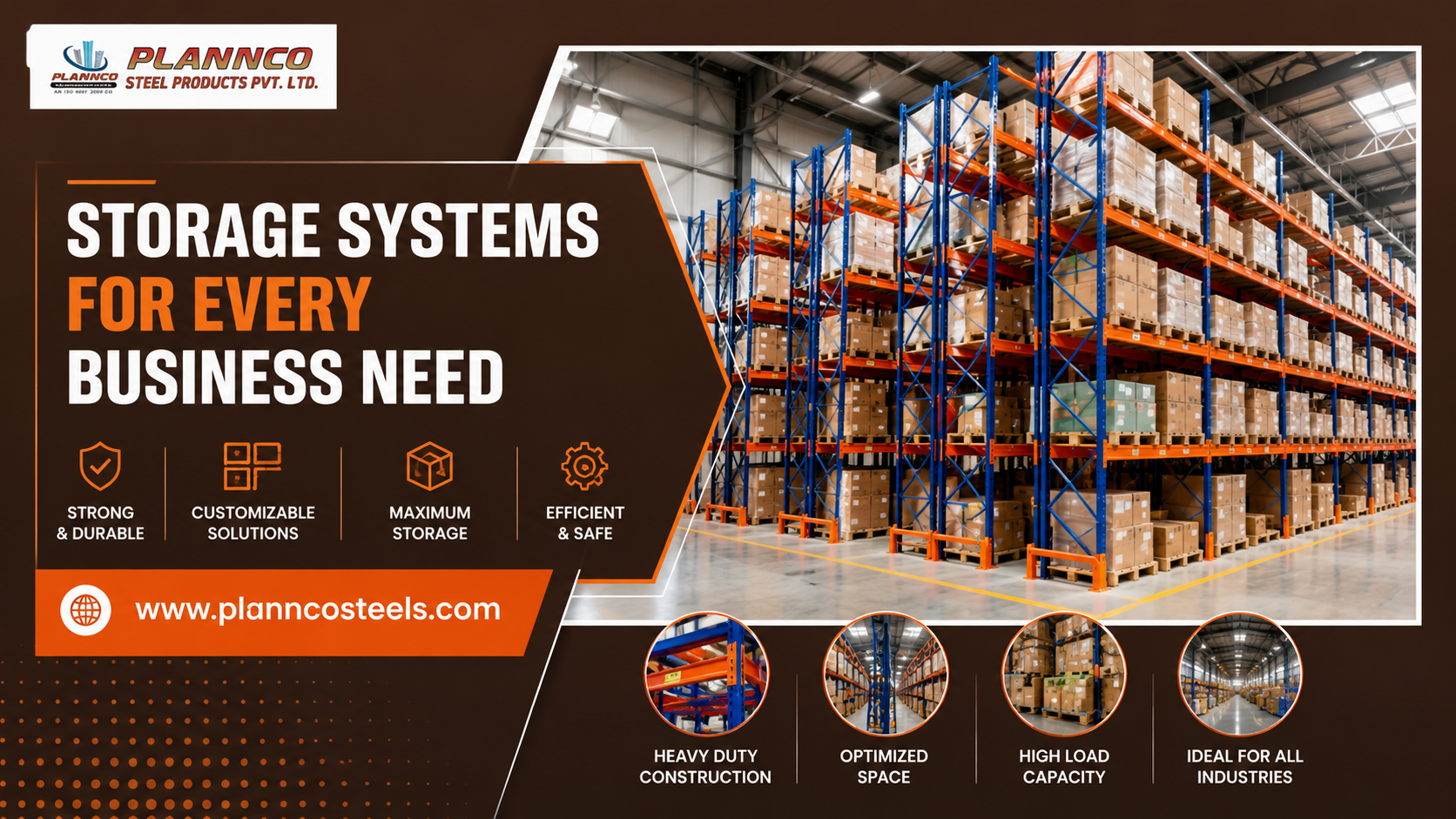 Storage Systems for Every Business Need
08-April-2025
-
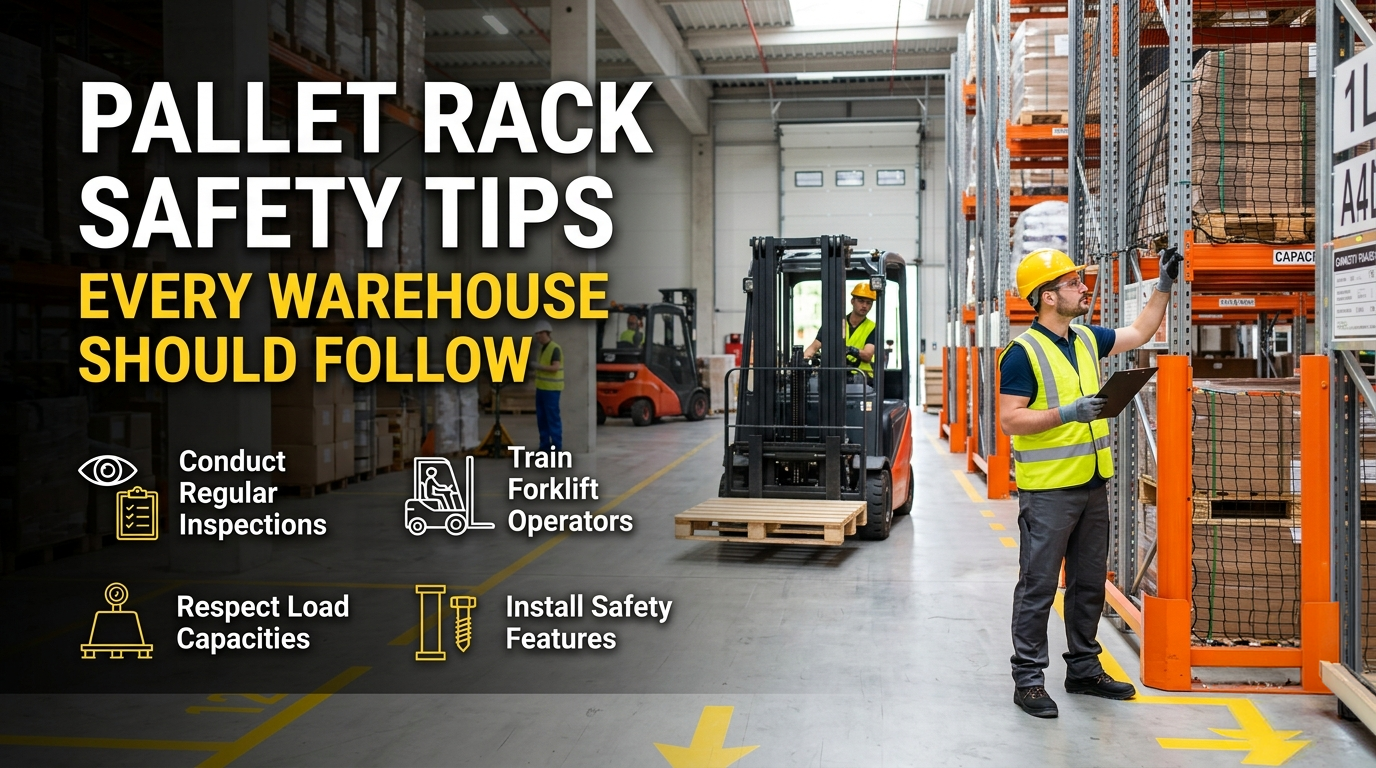 Pallet Rack Safety Tips Every Warehouse Should Follow
08-April-2025